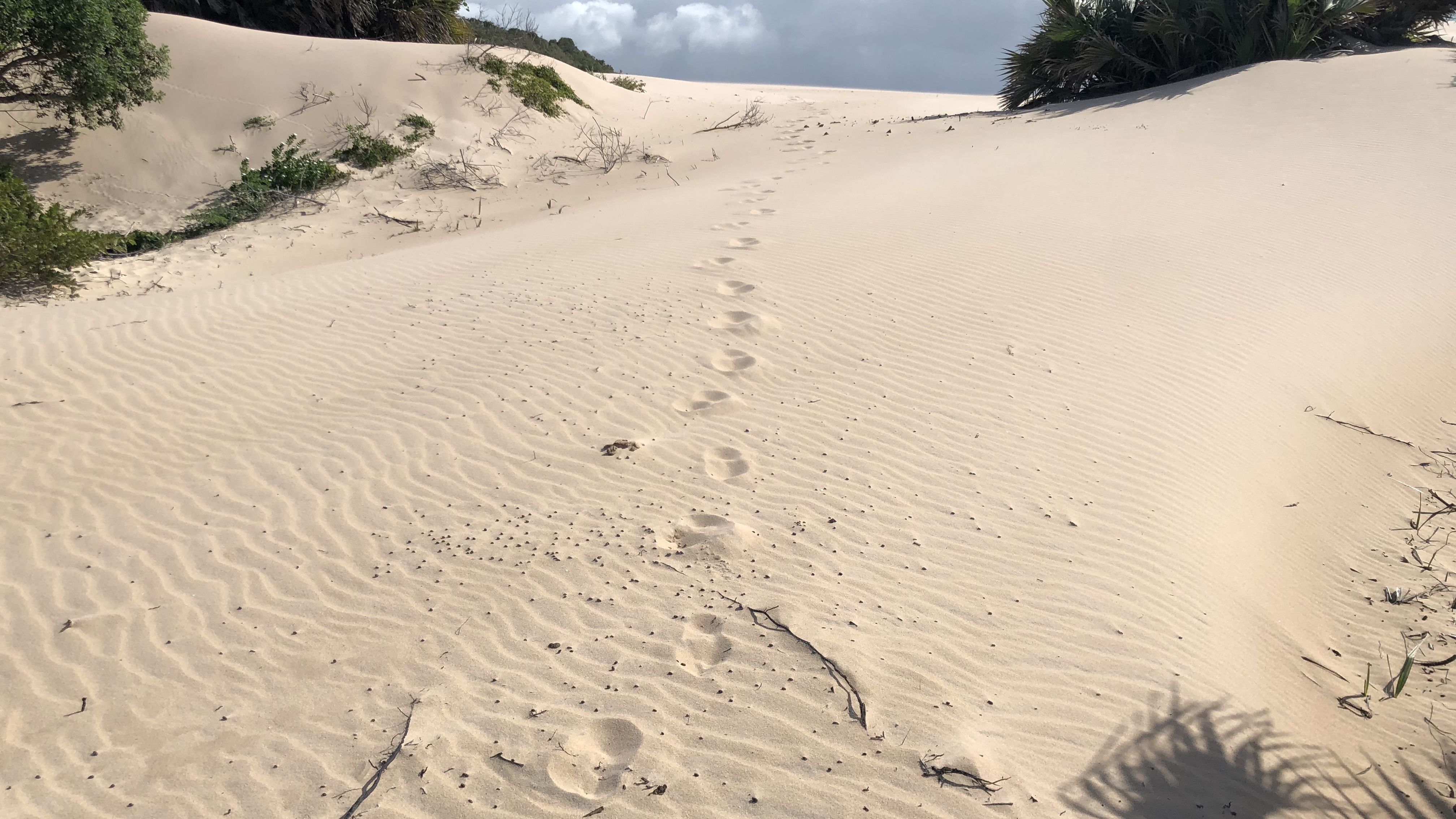
Probably the most famous sons of Cape Town, Dr Christian Bernard practiced as the Hand of God at the Groot Schuur Hospital. However, has his name is immortalised not just in some hearts but in stone at a Memorial Medical Centre named after him. The Groot Schuur could not be renamed, even for him, but a new hospital was. To get there (not that we did), you go past the various contributions of another of its famous inhabitants, Sir Cecil Rhodes – the Cape Town University, the Botanical Gardens and, of course, the Grecian structure that the Rhodes Memorial is. There are no visitors to this lonely site set on the hillside intended to mark the passing of a man of his time – a visionary, an empire builder, an entrepreneur, a king of commerce. It may not be too far in the future that this lovely piece of architecture- symbol of a bygone, but unmythic, age – may well be erased from visibility, though never from contemporary history.
Having heard of the medical facilities in this city, we went to see the Cape Town Mediclinc. The reception space is not dissimilar to that of a merchant banking establishment. Unlike back home, there are very few people seated in the visitors’ chairs. Either Capetonians are, contrary to international standards, robustly healthy or the familial relationships do not extend to accompanying patients to hospitals or we chose an inappropriate hospital. That will have to be ascertained on another visit.

South African wines are now known all over the world. Groot Constantia, the oldest is worth a visit. On the land granted to Simon van der Stel, the Dutch Governor, by Hendrik van Rheede, of Hortus Malabaricus fame and one time Governor of Dutch Cochin, in his capacity as visiting Inspector on behalf of the Council of Seventeen of the VOC in 1685 for cultivation of grapes, was established this monument to vinification, one of the oldest of the human arts, in 1993 with the Government, which purchased the estate in 1885 to set up an experimental centre, handing over the administration to a Trust.
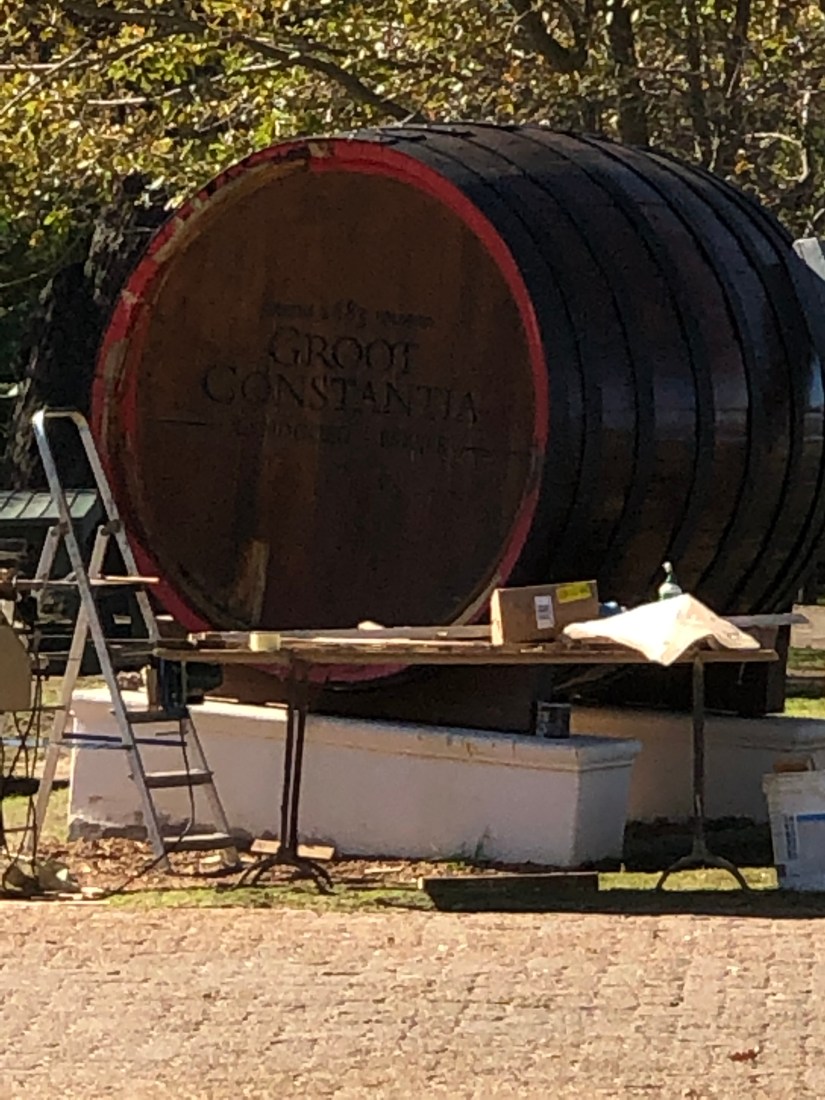
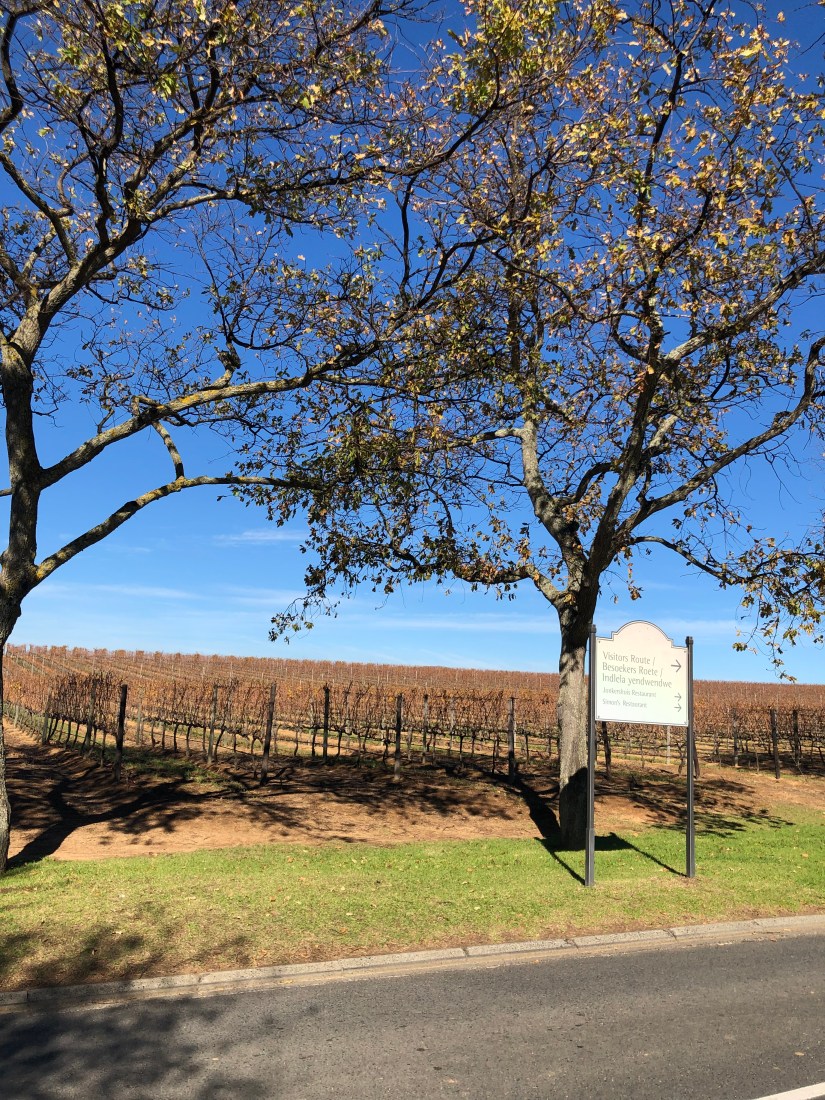

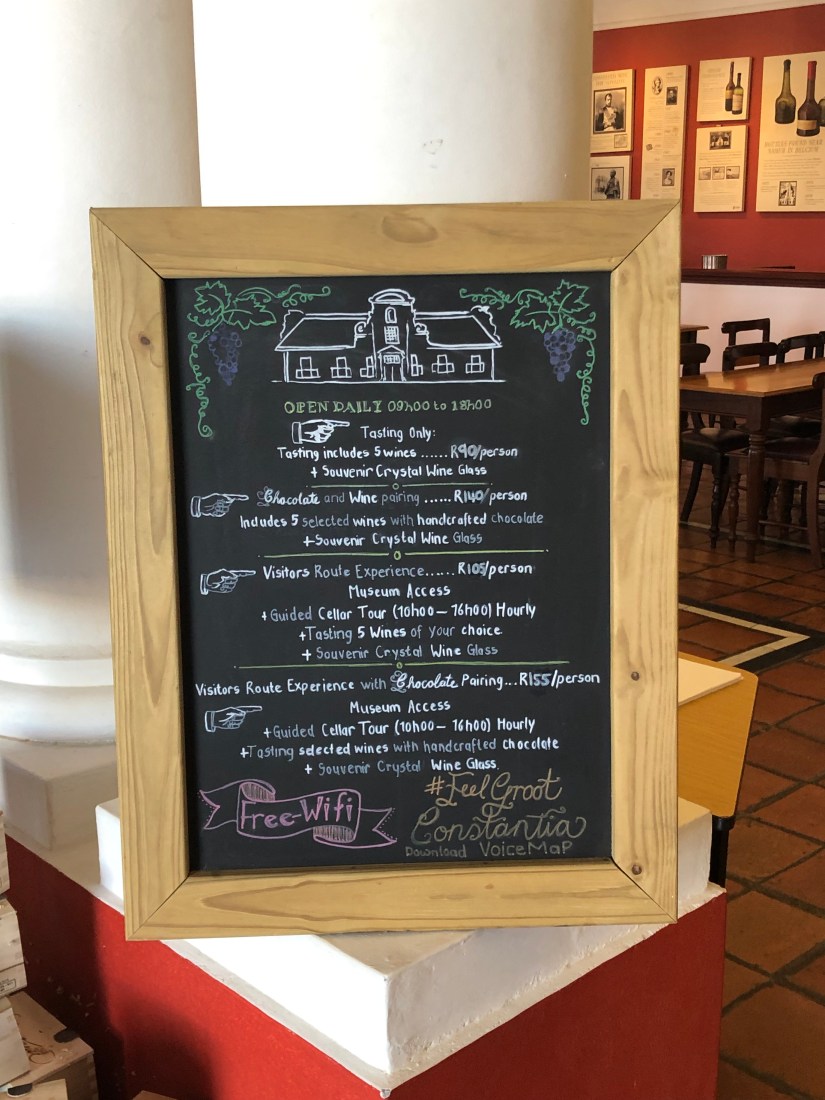
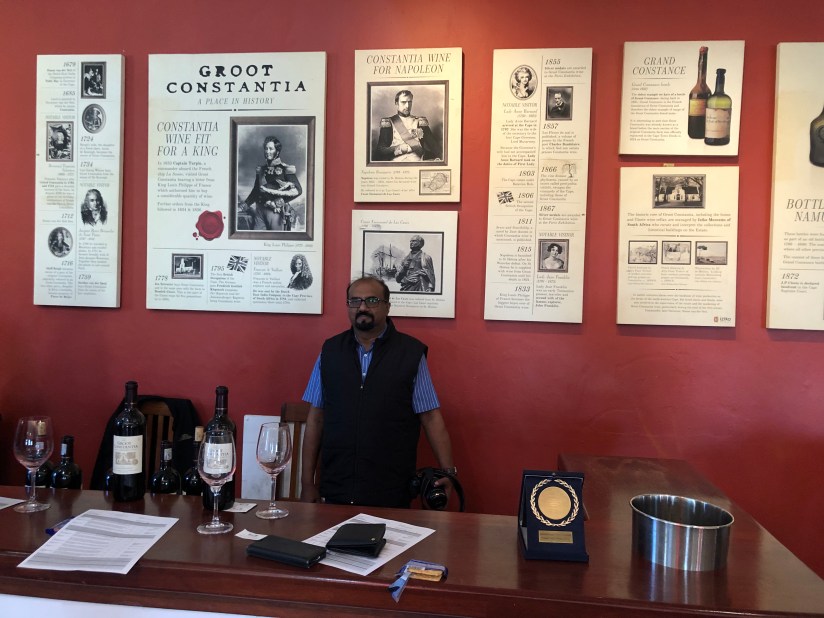
A drive through this well laid out estate is so very pleasing to the eye. We find white and red flowers on plants that border sections and it serves not only as a botanical decoration but as a lure for pests. That is Simon’s input. At the tasting centre for 90ZAR we are given a stemmed glass to keep as a memorabilia and an option to imbibe not ungenerous quantities of five of the listed wines. Rayno, Grever, the wine consultant, shares his proficiency on the history, the variety and the appropriateness of the wines with us as we make our selection of Sauvignon Blanc, Constantia Rood, Merlot, Cabernet Sauvignon and Shiraz. Thank you, Rayno for making our day.
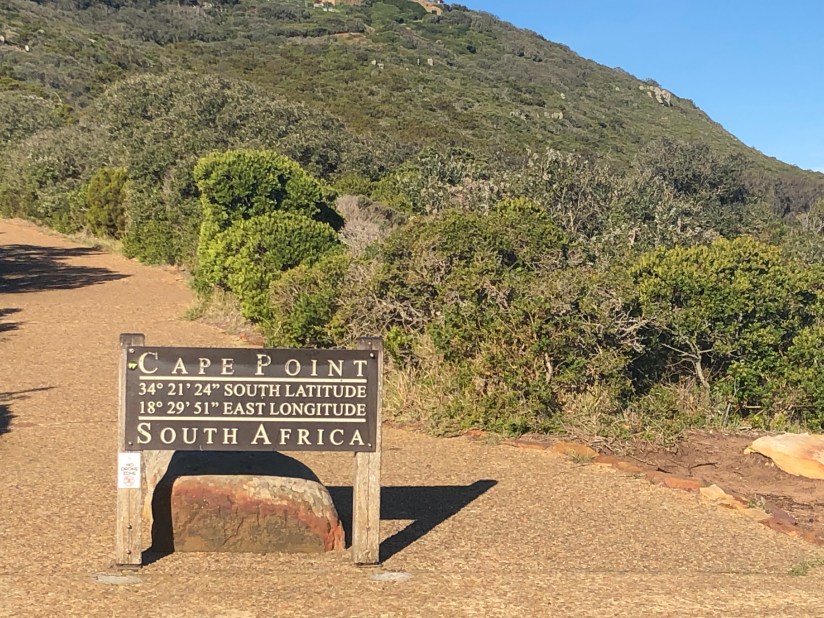
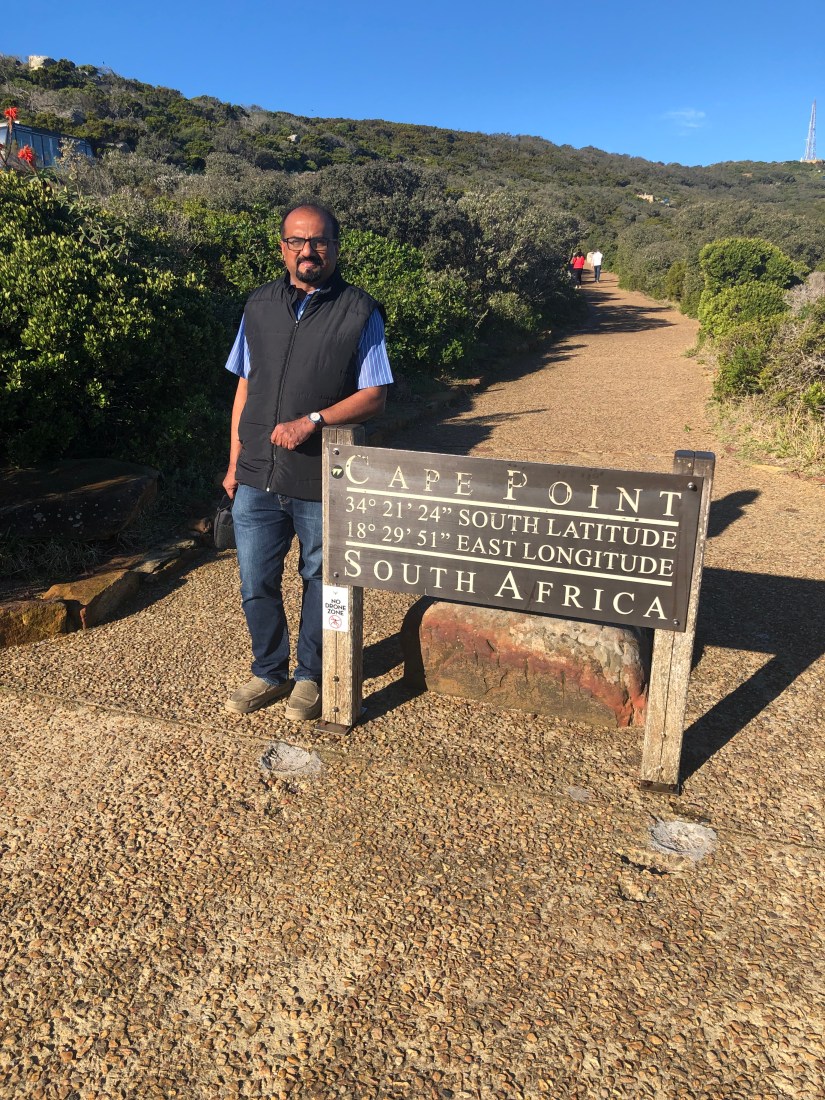
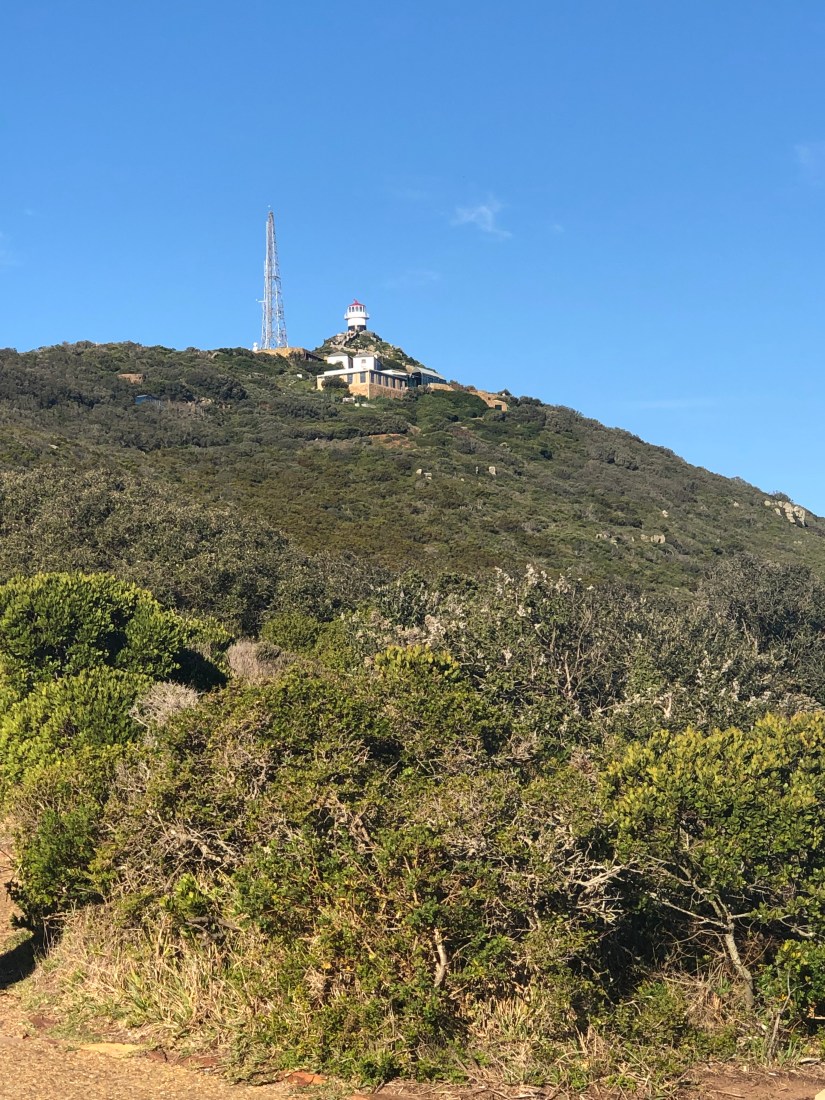
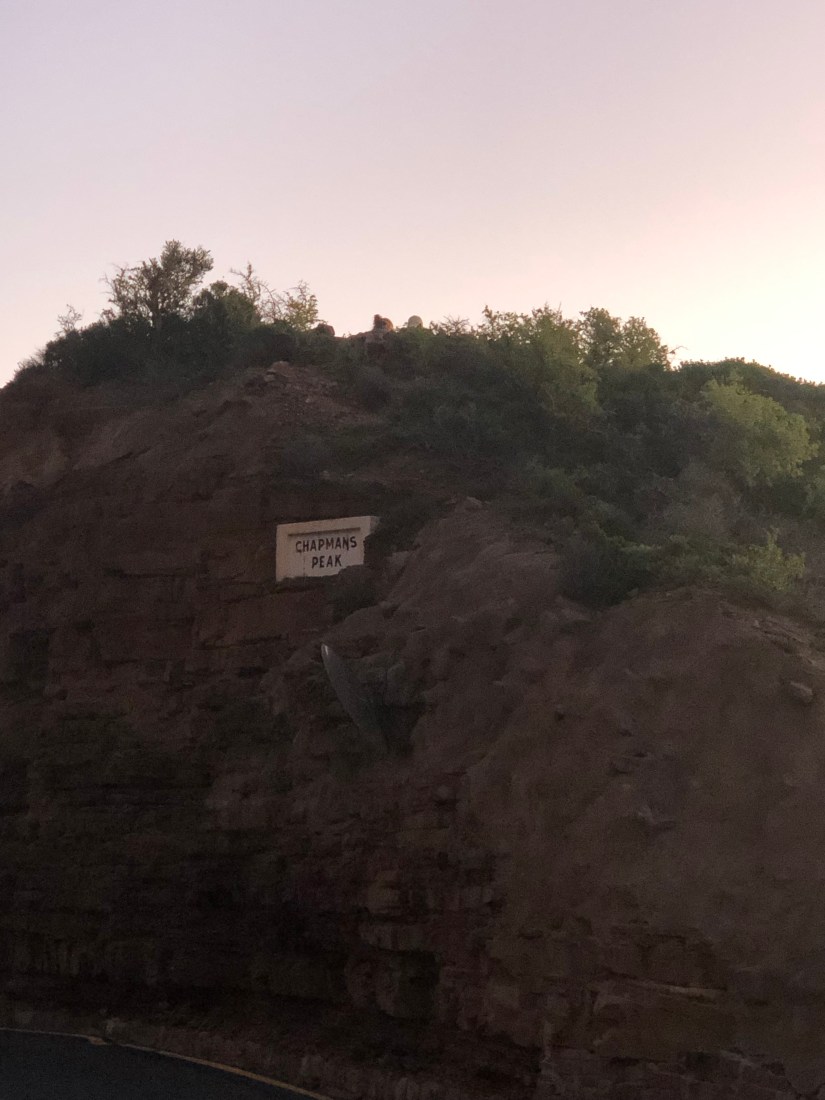
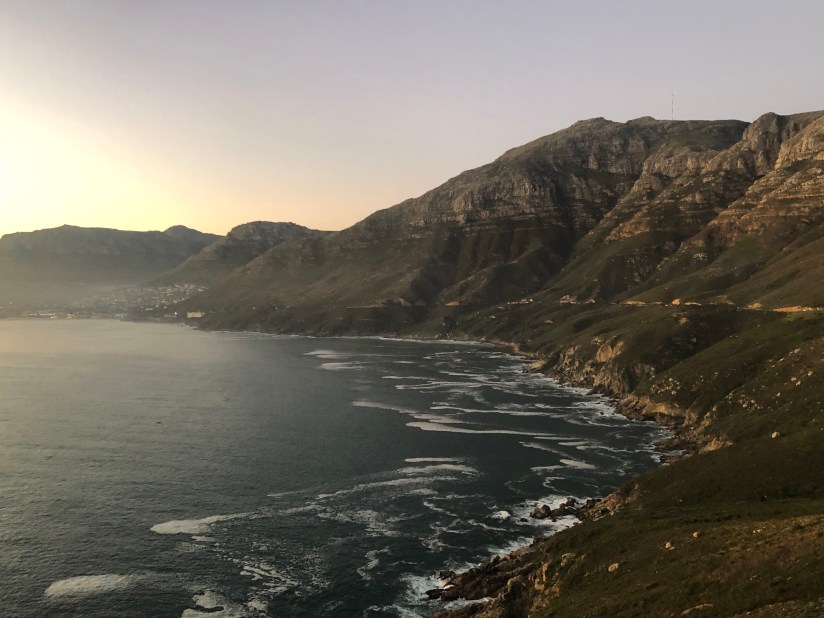
Where else can we wind up this short stay at the tip of Africa except at the Cape of Good Hope. This is not, as generally believed, the southernmost point of the continent that was rounded by the mariners to the Indies which is further off at Cape Agulhas about 100 kilometres further on. It is only a popular myth that two oceans meet at Good Hope. Called the Cape of Storms by its discoverer, Bartolomeu Dias and False Bay by traversing returnees from the East who often confused it for Table Bay that is close by, this wild, windy heritage site is a picnic ground for locals and a must see for visitors. At the very summit stands the Cape Point lighthouse and gives us a wonderful view of the suburban ring of water. On the outside, the stalls of curio peddlers attracts Sebastian’s eye and gets his first bargain trophy to carry back home. Back through Chapmans Peak, a drive that takes us all the way by the ocean, we are returned to base at Casa Papi for an early night and with much anticipation of the morrow. Au revoir, Simon, with fond farewells.

 iPIi
iPIi 