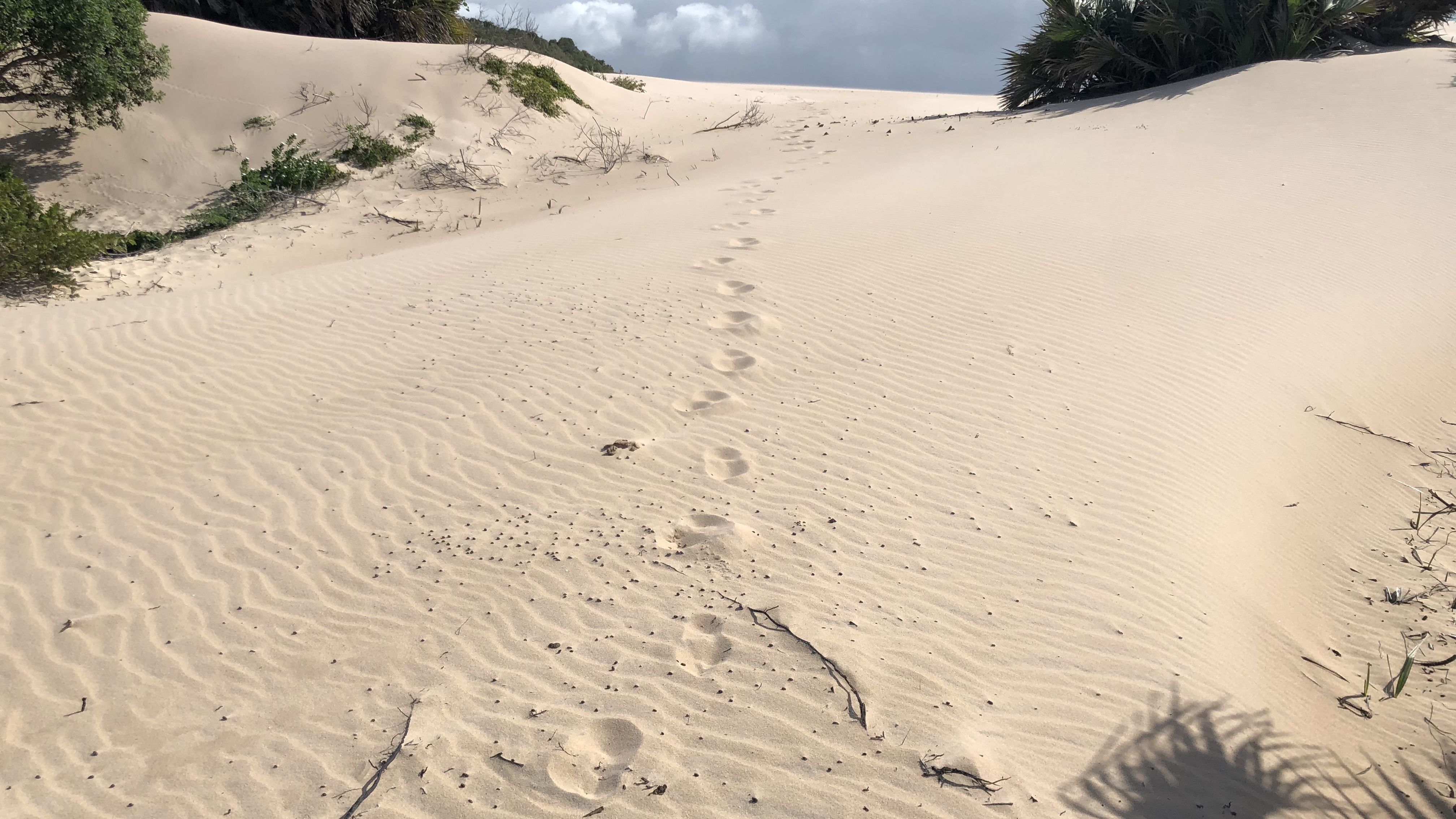
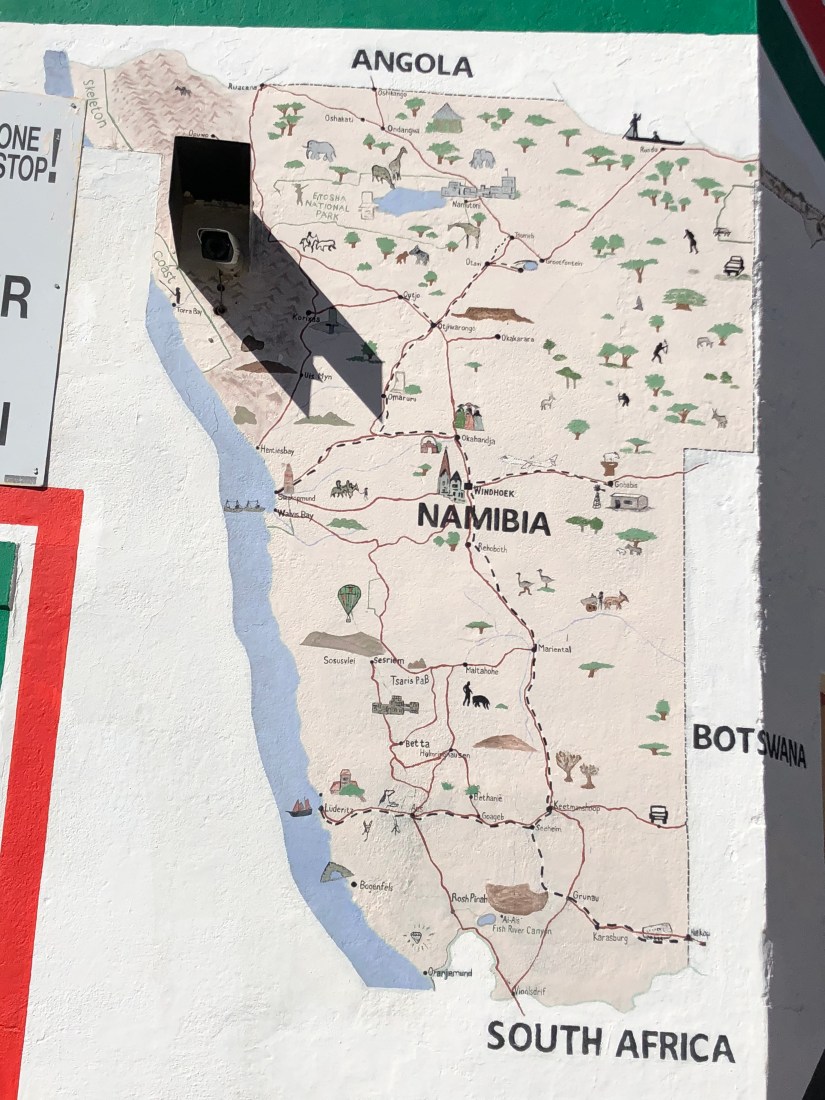
The title is not inappropriate. It is only when you visit the vast Namibian territory with a population of just about two and half million that comparisons become odious. Just 3.2 persons per square kilometre. And that feeling of solitude can be experienced here as you travel miles and miles without seeing a single soul. A country that is arid in the south and greening in the north despite which the population of the former has not migrated to the north. A country that is so rich in flora and fauna. We intend to reach Sossusvlei tonight and to be outside the gates for getting into the park by sunrise. A distance of over 650 km to be covered.
Aussenkehr is primarily a grape producing region though citrus and mango are also grown. A post-breakfast start to begin the gravel riding to Rosh Pinah which is about 104 km away. Beyond Sendelingsdrif, we join the C13 tarred road to Aus. Sendelingsdrif is the third route from South Africa into Namibia – and across by ferry. The Gariep river keeps appearing during the run through the wilds with glimpses of small animals in the Ais Ais National Park.
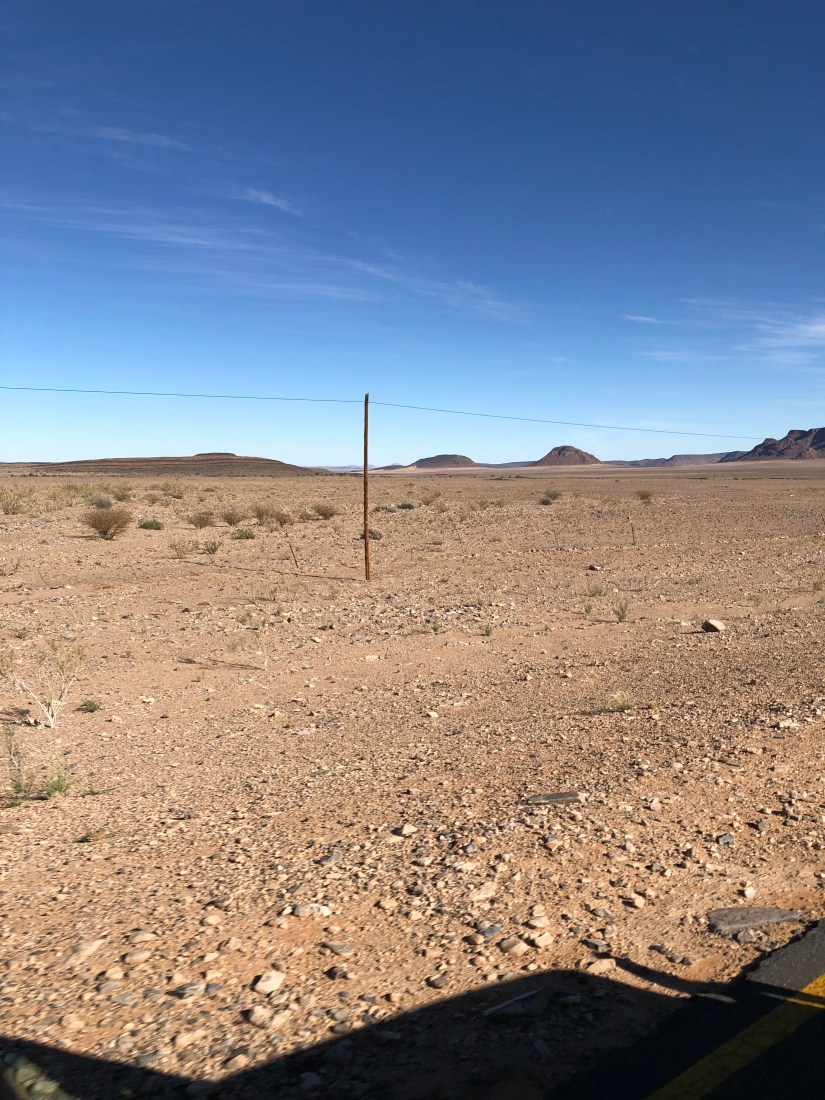
We pass a part of the Sperrgebiet – the Forbidden Territory of Diamond Mines – on our left. Last year, when we crossed at Oranjinemund, the former company town that was opened to public in September 2017, we had done the skirting of the entire area. Rosh Pinah is our fuel stop where we meet up with Meerkat Mob and Always and two of the biking crew. Off on the road to Aus about 170 km away and the next refuel before taking to the wilds of the D707. Aus, on the B4 between Luderitz and Keetmanshoop, was the site of a camp that housed German incarcerated by the South African forces during the First Great War. The town lies between the Aus Mountains and the Namib desert.
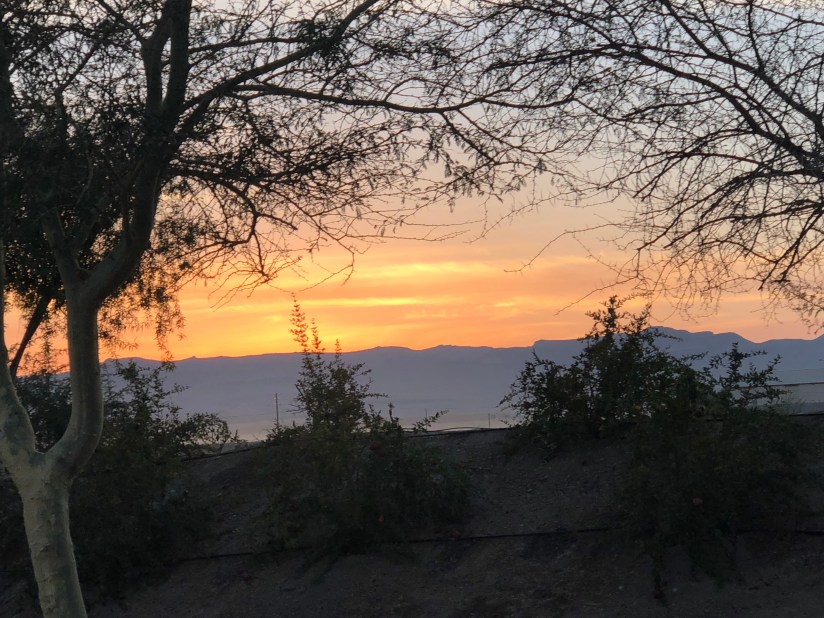
Skirting the Tiras Mountain Conservancy is, undoubtedly, the toughest trail to Sossusvlei and we are not disappointed. The compensation of the scenic terrain revealing the colours of Namibia in this stark part of the world may just have been how the Gondwanaland must have looked before the arrival of humans on its face and before it broke up to drift into the continents south of the Atlas Mountains and the Himalayas. The tapestry of hues is divine and the purple soldiers of Namibia – the mountains in the distance that seem to go further as you get closer to them – keep us company. Gemsbok find their feed in this arid land and gaze unperturbed as we pass them. The late afternoon shadows add to the ethereal experience as we reach Betta – a farm that is also a stopover. Most of the crews have already passed through to their destinations for the night. We carry on our lonely traversing on the D286 to Seisreim. Named after the six straps of oryx hide required to draw water from the Tsauchab by the Dorslandtrekkers in the later half of the nineteenth century who stopped at Seisreim, it is indicative of the depth of the canyon.
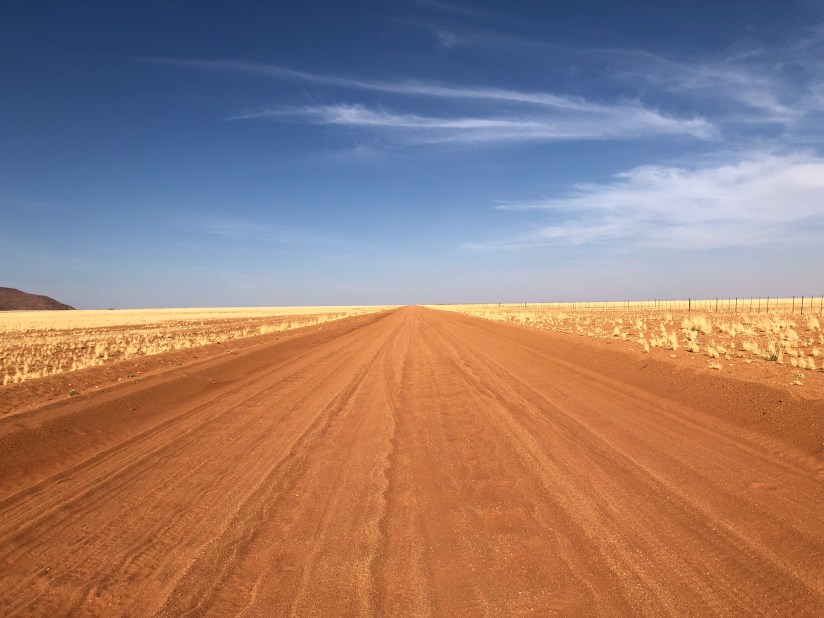
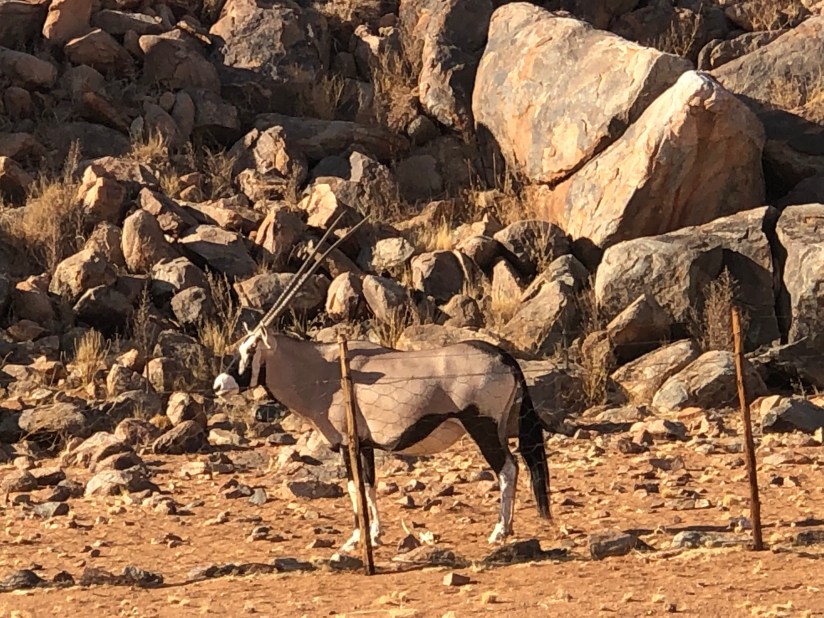
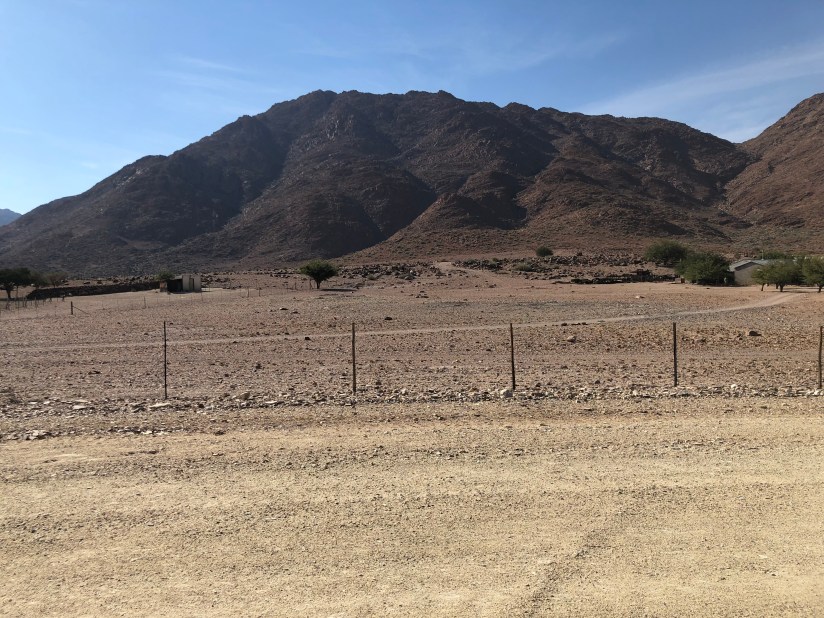
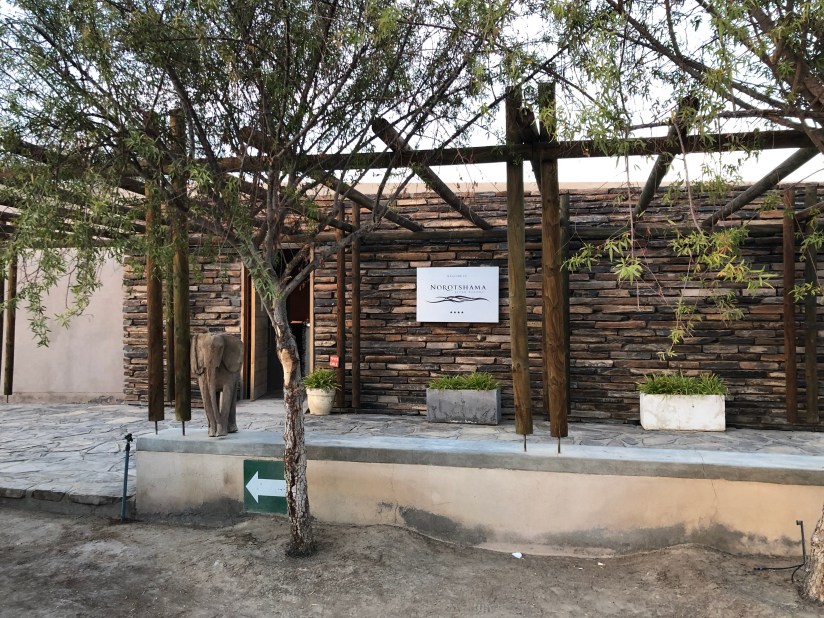
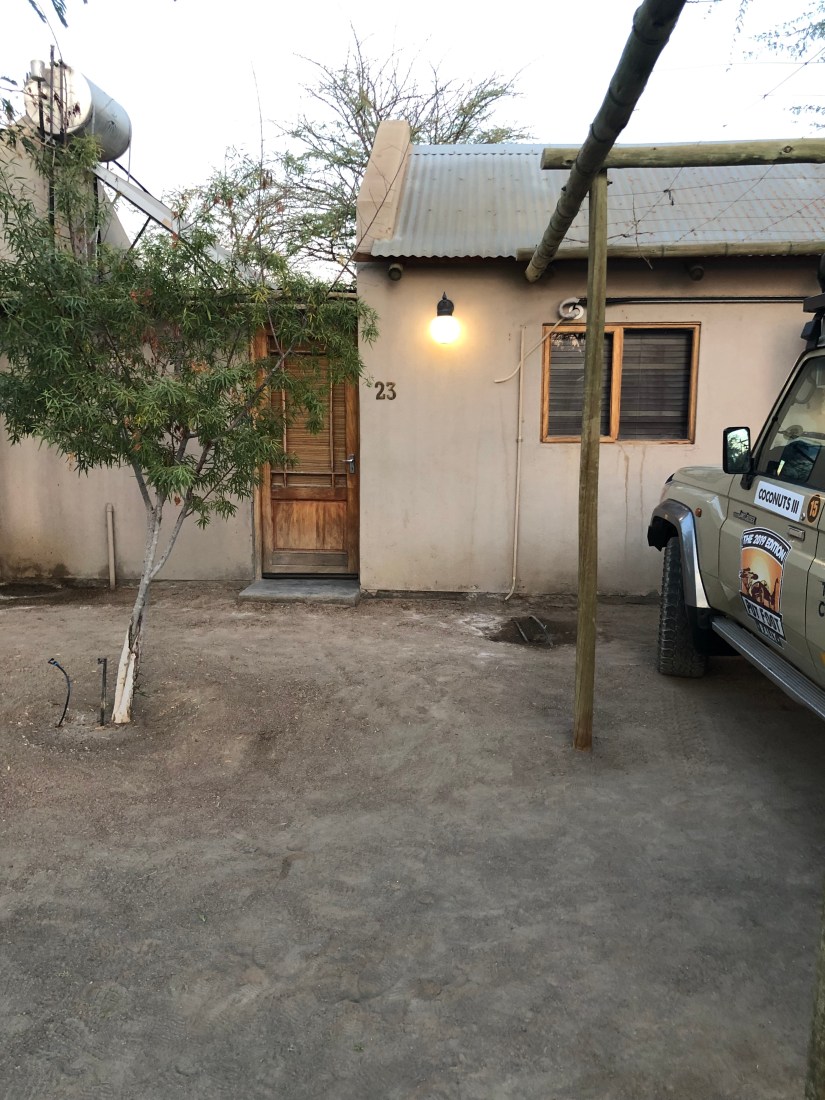
A huge sense of relief as we turn into Sossusvlei Lodge to check into our prepared tented accommodation. Having savoured a buffet replete with game meat of many sorts, it is time to turn in.
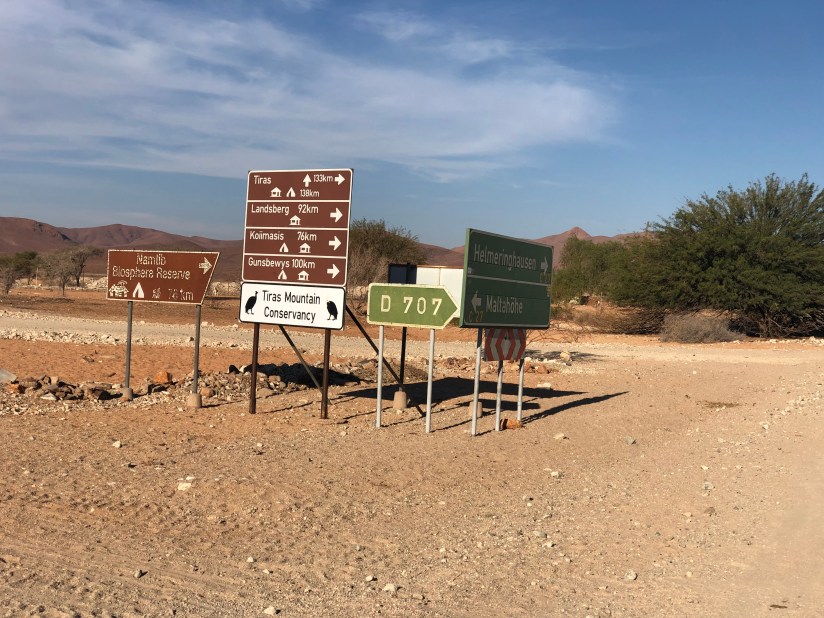
The Conservancy, spread over 125 square kilometres, comprises the four farms of Gunsbewys, Tiras, Landsberg and Koiimasis. In a country where conservation has become a way of life, such private enclaves enable the owners to be part of a mission to revive an ecosystem that human lack of care had pretty much driven to destruction. Travellers can arrange to stay at these farms and learn about the topography and the fauna from the owners. For a different kind of holiday.









 iPIi
iPIi 