Blog

Between Two Oceans God’s Museum

The title is not inappropriate. It is only when you visit the vast Namibian territory with a population of just about two and half million that comparisons become odious. Just 3.2 persons per square kilometre. And that feeling of solitude can be experienced here as you travel miles and miles without seeing a single soul. A country that is arid in the south and greening in the north despite which the population of the former has not migrated to the north. A country that is so rich in flora and fauna. We intend to reach Sossusvlei tonight and to be outside the gates for getting into the park by sunrise. A distance of over 650 km to be covered.

Aussenkehr is primarily a grape producing region though citrus and mango are also grown. A post-breakfast start to begin the gravel riding to Rosh Pinah which is about 104 km away. Beyond Sendelingsdrif, we join the C13 tarred road to Aus. Sendelingsdrif is the third route from South Africa into Namibia – and across by ferry. The Gariep river keeps appearing during the run through the wilds with glimpses of small animals in the Ais Ais National Park.
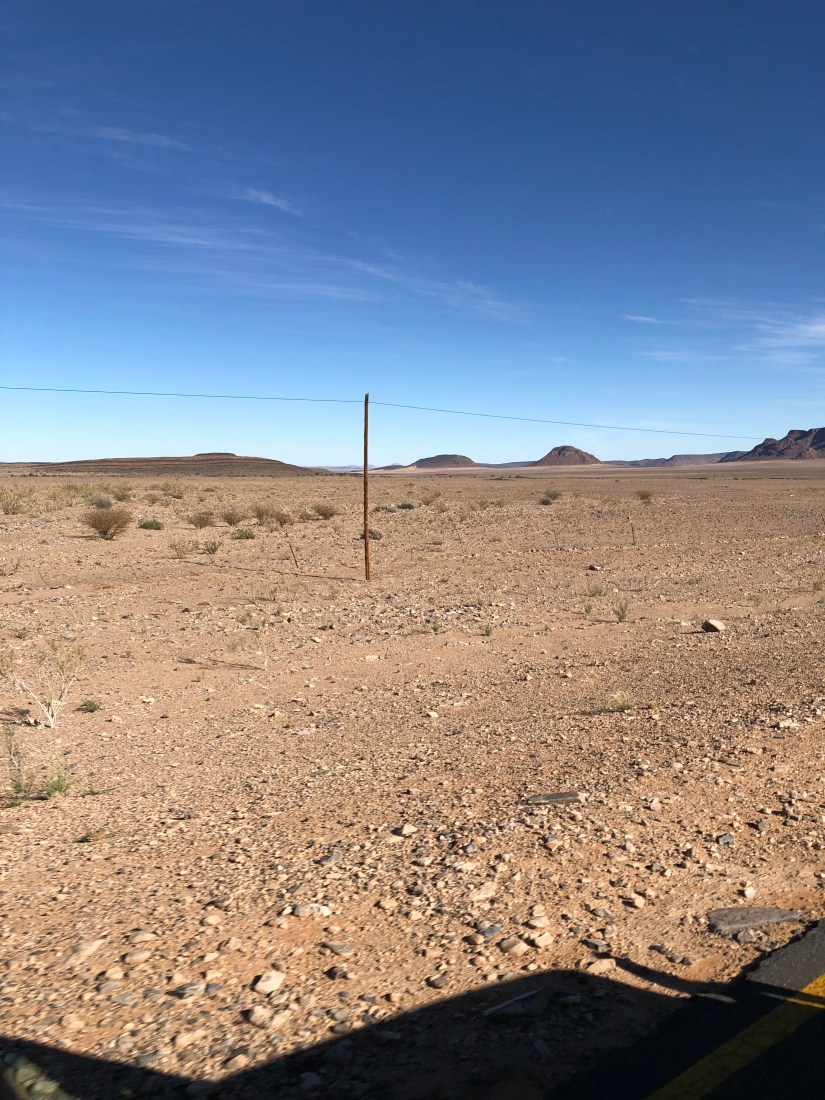
We pass a part of the Sperrgebiet – the Forbidden Territory of Diamond Mines – on our left. Last year, when we crossed at Oranjinemund, the former company town that was opened to public in September 2017, we had done the skirting of the entire area. Rosh Pinah is our fuel stop where we meet up with Meerkat Mob and Always and two of the biking crew. Off on the road to Aus about 170 km away and the next refuel before taking to the wilds of the D707. Aus, on the B4 between Luderitz and Keetmanshoop, was the site of a camp that housed German incarcerated by the South African forces during the First Great War. The town lies between the Aus Mountains and the Namib desert.
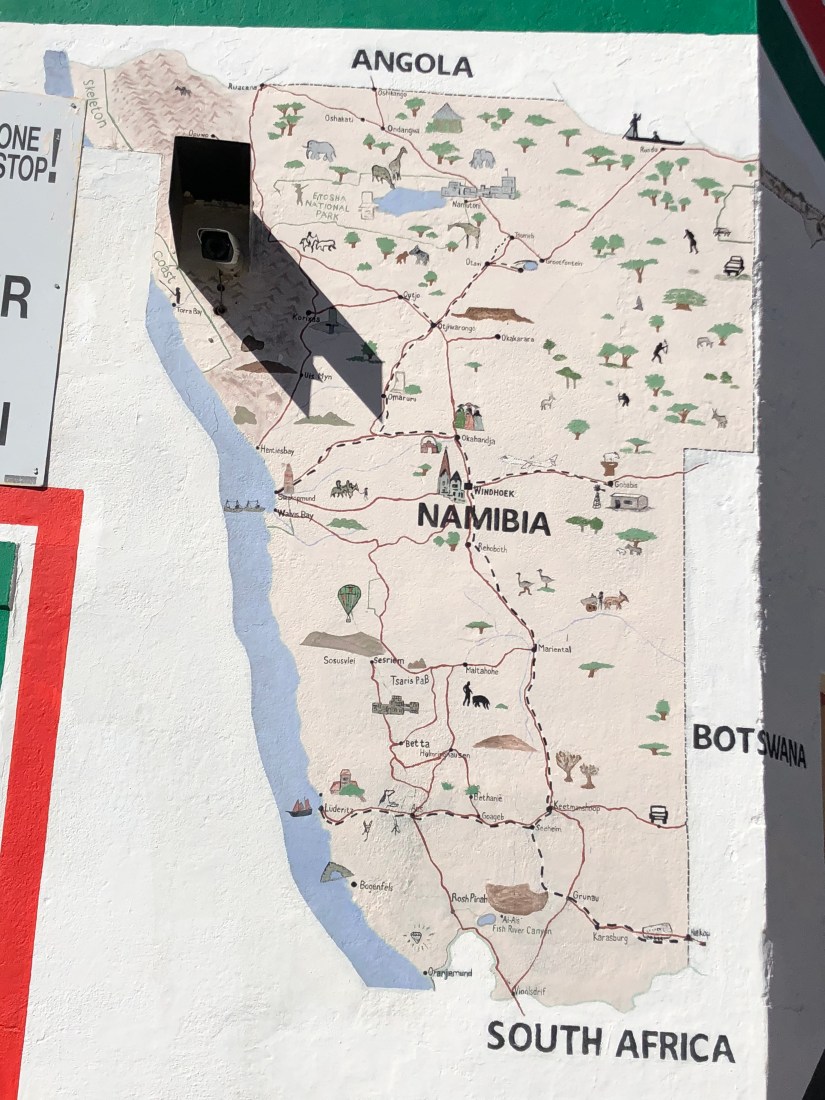
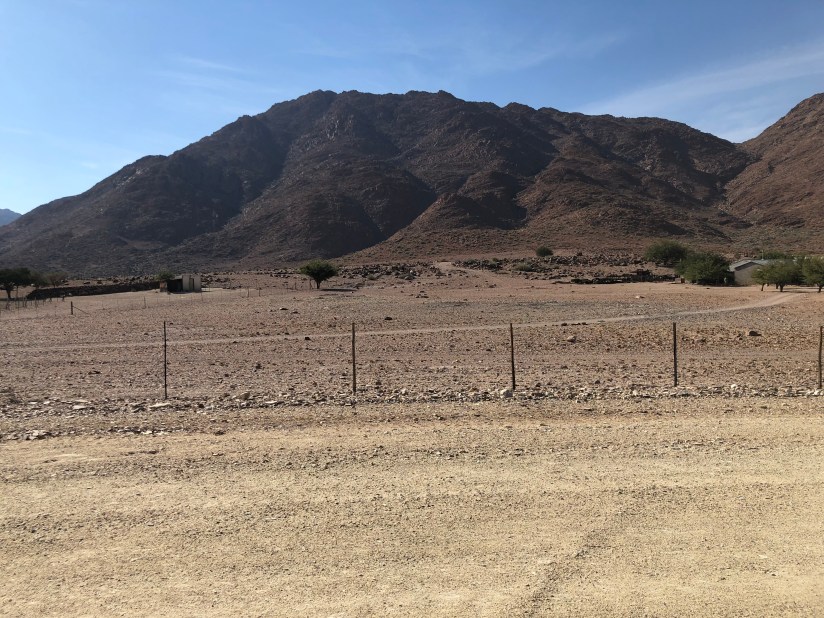
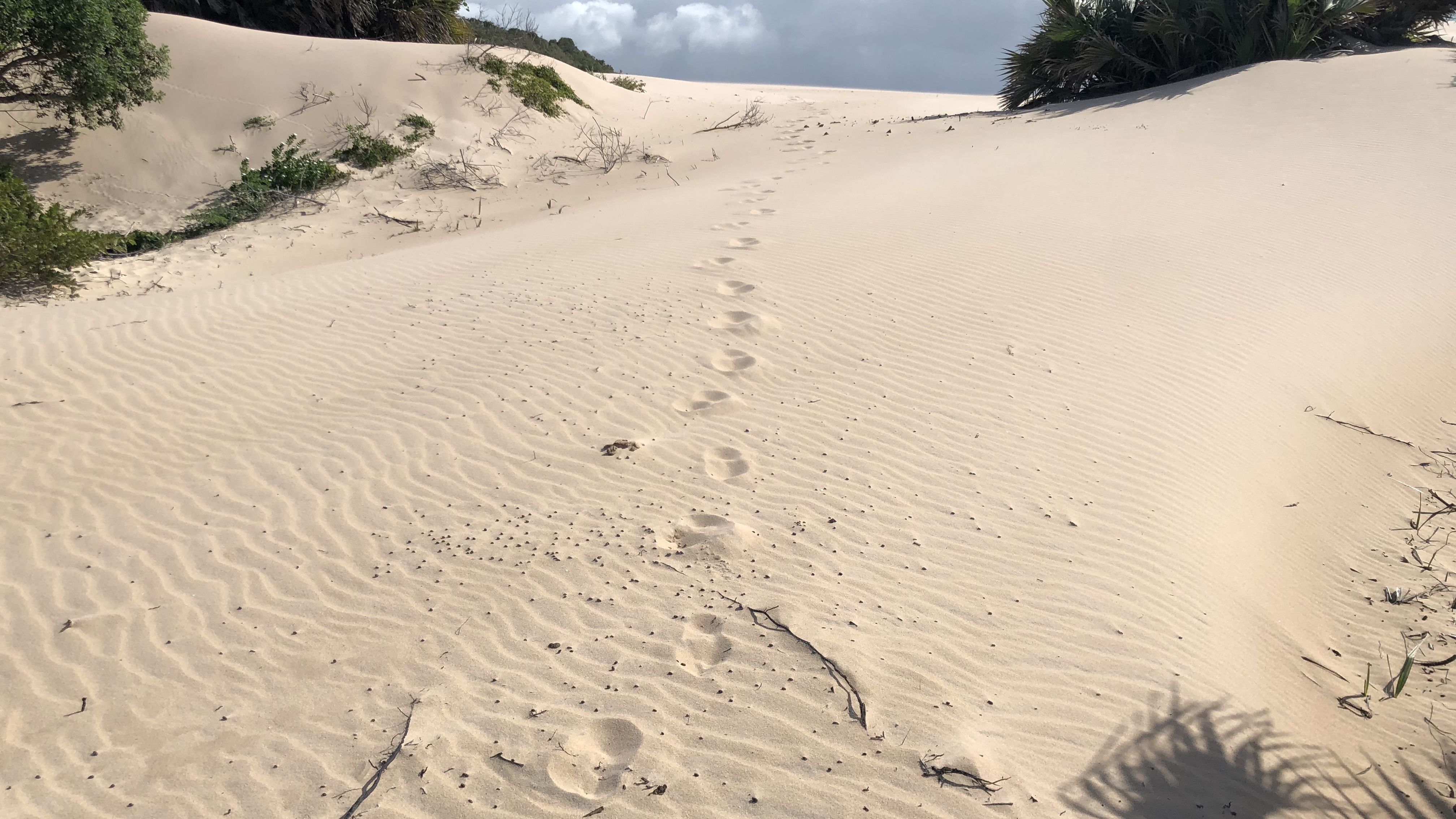
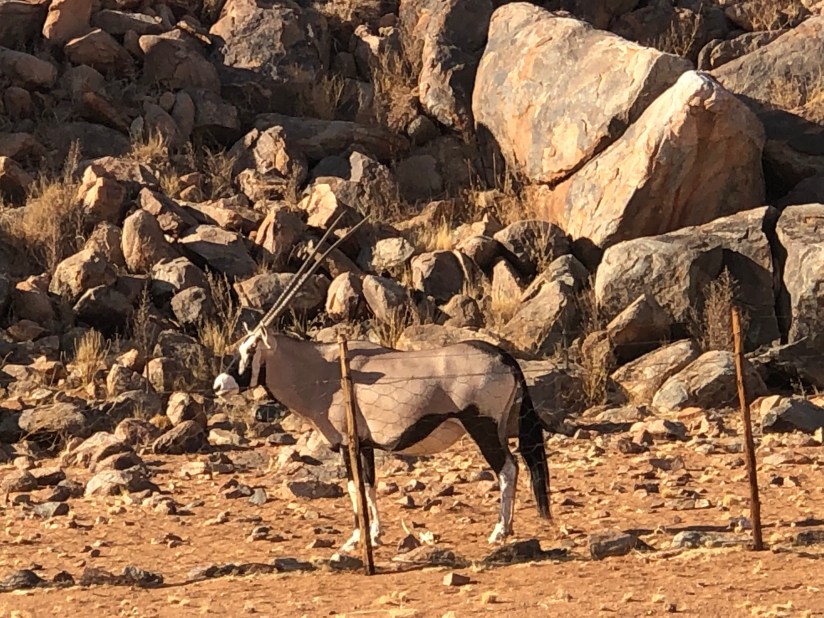
Skirting the Tiras Mountain Conservancy is, undoubtedly, the toughest trail to Sossusvlei and we are not disappointed. The compensation of the scenic terrain revealing the colours of Namibia in this stark part of the world may just have been how the Gondwanaland must have looked before the arrival of humans on its face and before it broke up to drift into the continents south of the Atlas Mountains and the Himalayas. The tapestry of hues is divine and the purple soldiers of Namibia – the mountains in the distance that seem to go further as you get closer to them – keep us company. Gemsbok find their feed in this arid land and gaze unperturbed as we pass them. The late afternoon shadows add to the ethereal experience as we reach Betta – a farm that is also a stopover. Most of the crews have already passed through to their destinations for the night. We carry on our lonely traversing on the D286 to Seisreim. Named after the six straps of oryx hide required to draw water from the Tsauchab by the Dorslandtrekkers in the later half of the nineteenth century who stopped at Seisreim, it is indicative of the depth of the canyon.
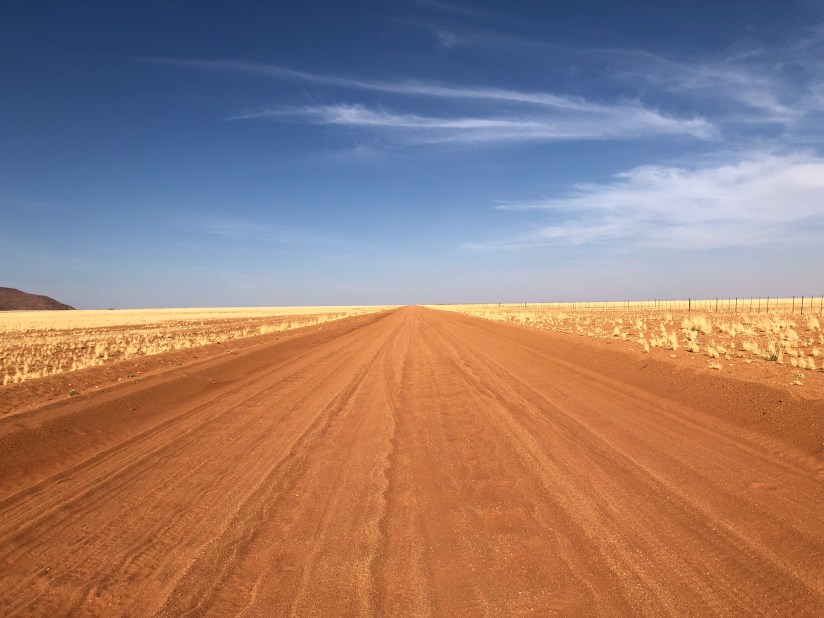
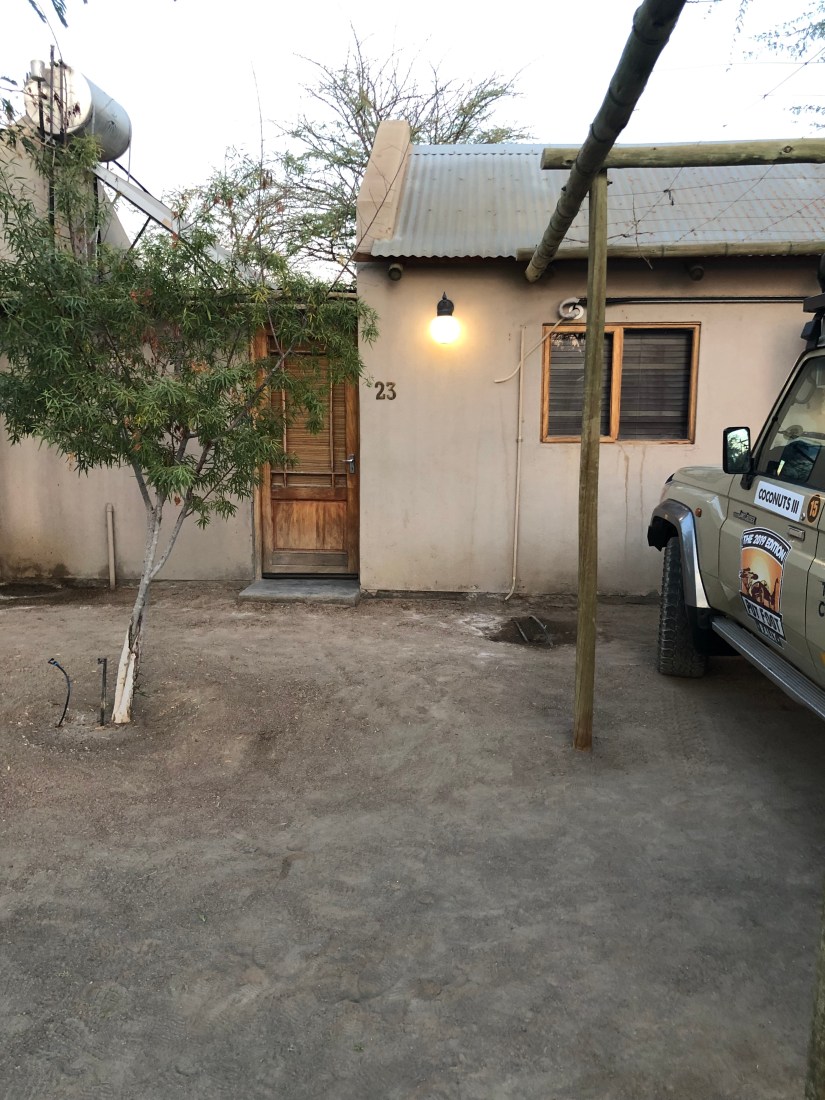
A huge sense of relief as we turn into Sossusvlei Lodge to check into our prepared tented accommodation. Having savoured a buffet replete with game meat of many sorts, it is time to turn in.
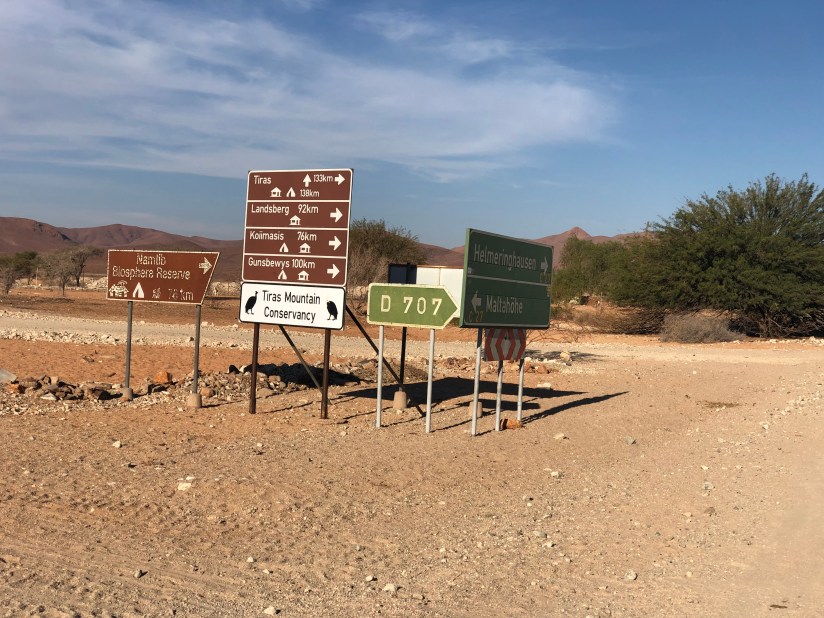
The Conservancy, spread over 125 square kilometres, comprises the four farms of Gunsbewys, Tiras, Landsberg and Koiimasis. In a country where conservation has become a way of life, such private enclaves enable the owners to be part of a mission to revive an ecosystem that human lack of care had pretty much driven to destruction. Travellers can arrange to stay at these farms and learn about the topography and the fauna from the owners. For a different kind of holiday.
Between Two Oceans The Flag Off

Flag off

The Big Day that 112 teams have, over the last three months, been preparing for is here. An early start, after loading the vehicle, for cocoNUTs at 5.30 am to head towards Malmesbury, Piketburg and Citrusdahl. It is yet dark and the highway is undergoing repairs which delays us owing to the detours and single file traffic. By sunup we are on the Cape Namibia route. Our plan to breakfast at Clanwilliam is stymied as all these settlements are at some distance off the highway. While fuelling up at Trawal, we try the shops there but to little avail. Fortunately, an emporium of biltong (or jerky) of various game and domesticated animals exists right there and the resourceful lady who runs the place is pleased to patiently explain the various varieties. Such an offering of a South African delicacy could not be missed and a couple of these were added to the goodies as pairing for the evening liquid sessions.

At a Wimpy in Klavers, which is further ahead, after a hearty breakfast, the road goes on. Many Putfooters seem to have had the same idea. We meet this Swiss family (not Robinson but of Namibian where the son was born ) who chat us up about India and our motivation to travel so far off the usual tourist locales. Fine folks from a fine place. Towns such as Bitterfontein, Garies and Kamiskroon pass us by. All on the banks of the Olifants river and each of them replete with history.

Moorreesburg is known as the bread basket of the West Coast because of wheat farming and also boasts of a famous wheat industry museum, one of the only three found in the world. Clanwilliam, at the foothills of the Cederburg Mountains, is one of the ten original towns of the country and the first of the towns settled by the Trek farmers along the river. It is said to be the only town where rooibos tea is cultivated and know for its veldskoene or leather shoes. Around Citrusdahl are geographical formations that are worth a visit; a town known known for (guess) citrus production. You see citrus on the plants on both sides of the highway.

A gradually ascending gradient on the roads and we are at next fuel stop – Springbok . The changes in the terrain are to be seen to be believed. From the orange growing areas of the southern side through the scrubland of Northern Cape and into Namaqualand. Like most towns in this part of the world, Springbok developed from what was once a farm. The same founder of vineyards discovered copper and this habitation came up in mid 1800s.

Onward on the Cape Namibia Route and passing through Steinkopf, it is the border control at Vioolsdrift. Smooth sailing here though border police did warn us the heavy traffic of Put Foot was slowing things down on the other side. Across the Orange river which marks the boundary with Namibia is Noordwehr, the Namibian border control. Paperwork is smooth but a grumpy border police chap is rude and intrusive. Not a warm welcome to an otherwise friendly nation. We hope that this is one of the aberrations.

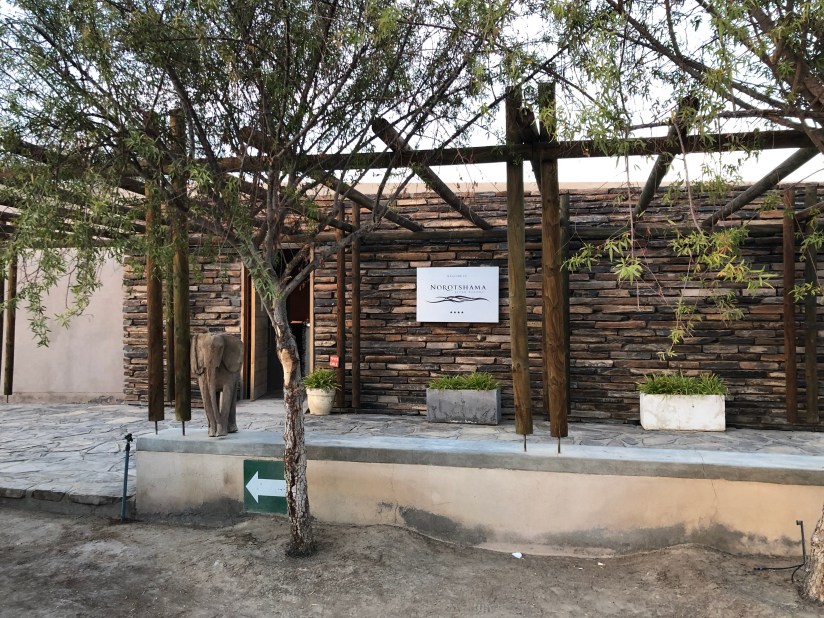
Another 60 km and we are at Aussenkehr on the Orange River, our night stop in the Norotshama Lodge. Dinner is with other Put Footers and we taste kudu sosatie for the very first time.

Between Two Oceans The Road Goes On

Getting a show like the Put Foot Rally on the road (no pun intended) is a classic case study in managing of events. At least two months of slogging on the part of a small, dedicated team led by the redoubtable founder, Darryn Hillhouse, culminates in Registration Day. For 2019, this is at Ou Skip camp, Melkbosstrand, a suburb of Cape Town which is the starting line of the Rally scheduled from 4.30 am to 6 am tomorrow.

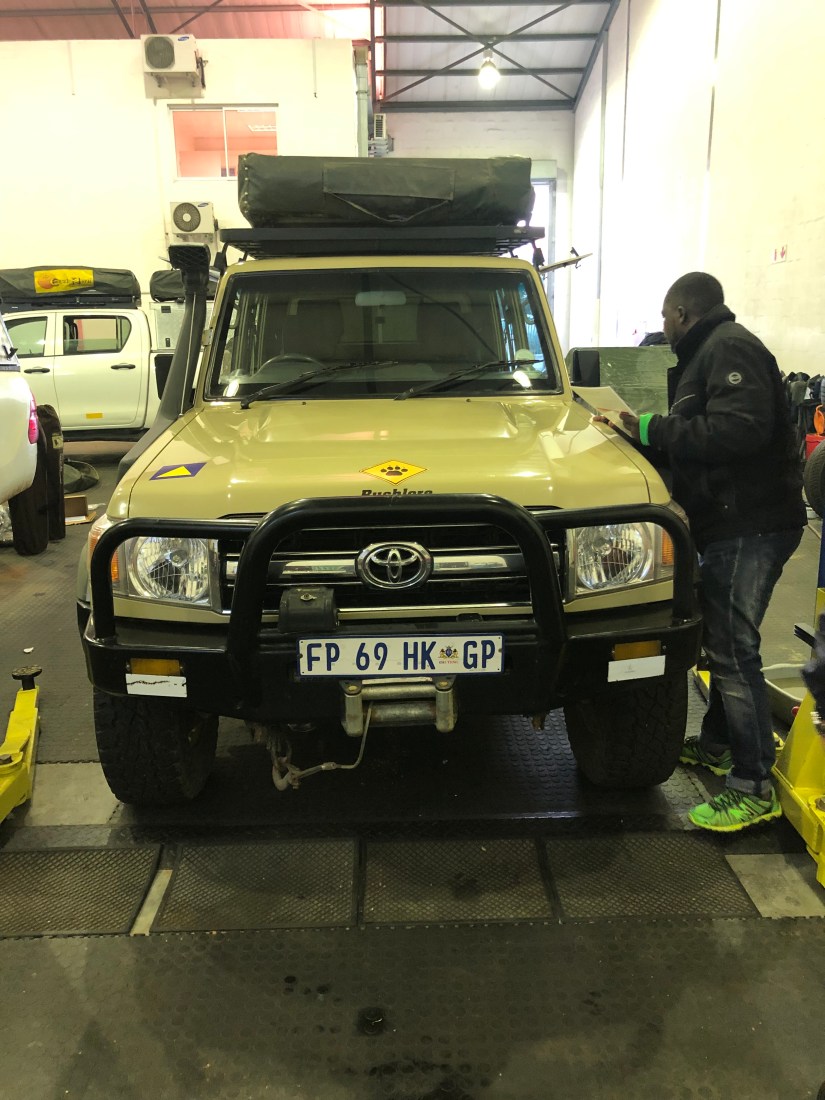
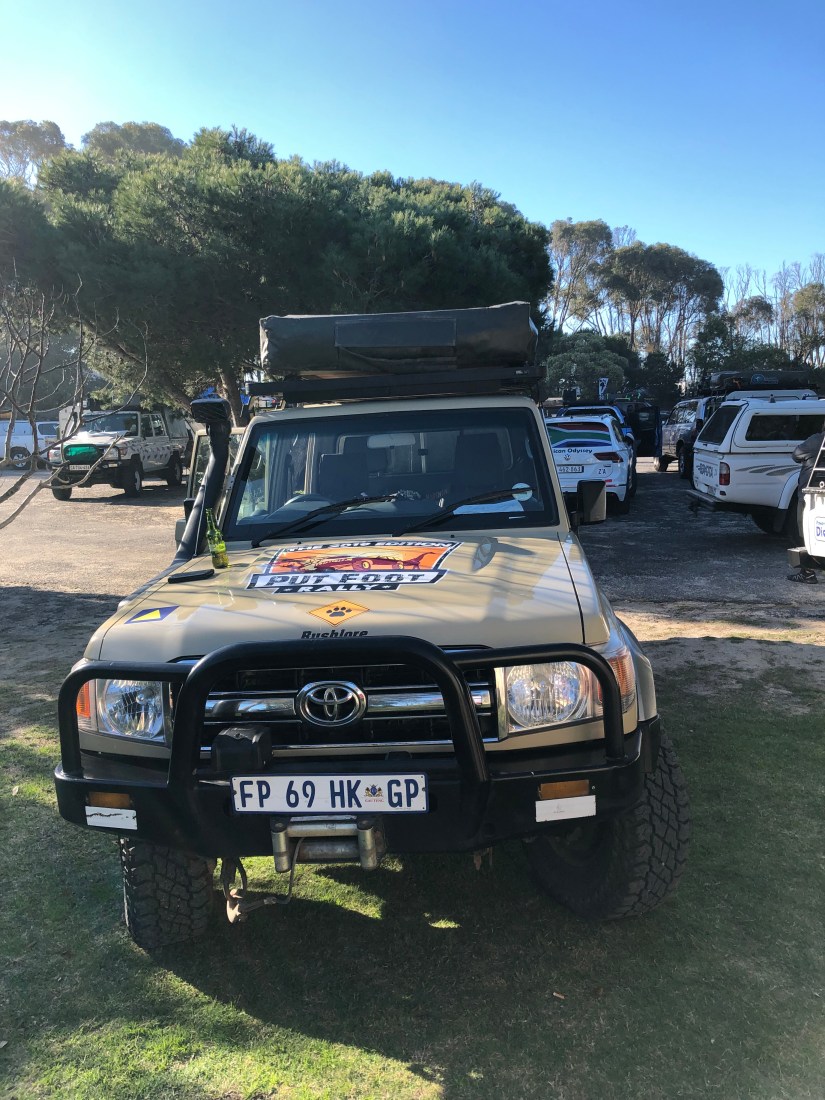
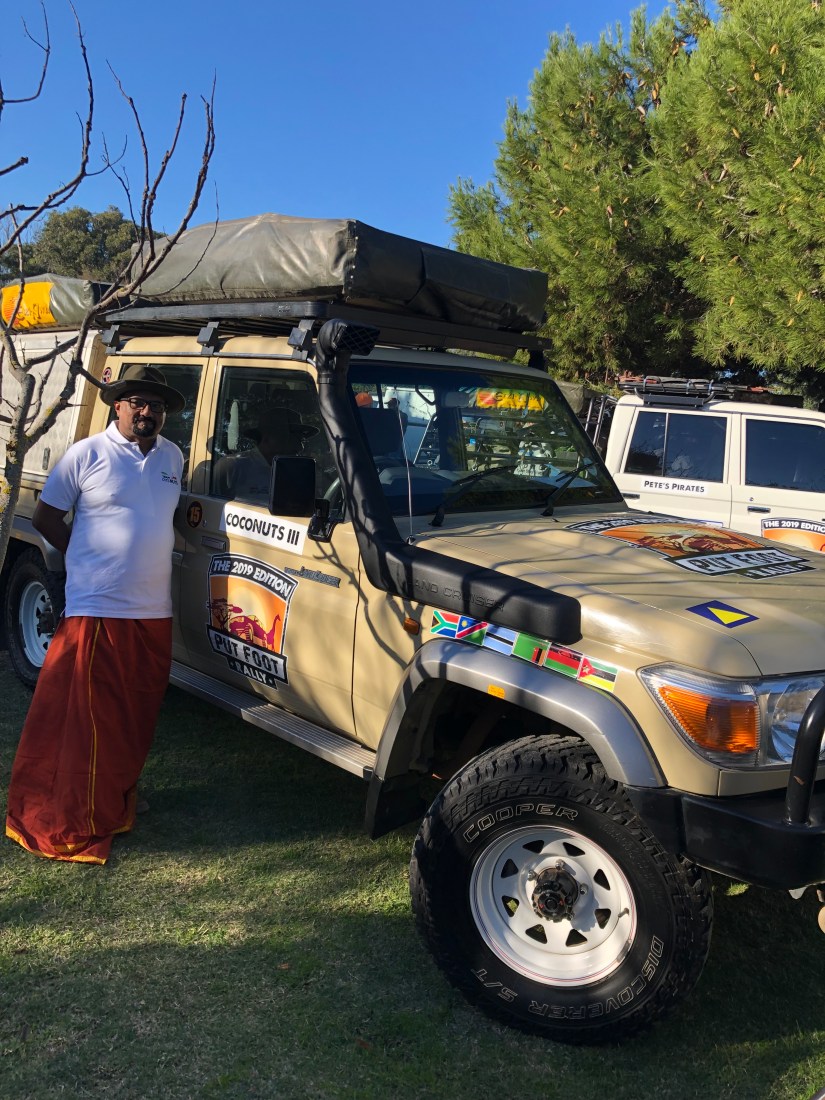
Before going to register, we have the formalities of vehicle hire agreements with Bushlore. Clyde has been in constant touch and now has put us in the loop with Mike and Henry of the Cape Town office. Henry arrives at 6.30 to collect us and this, apparently, is normal working hours here. At the Bushlore garage near the airport, we see our home, work and play space for the next twenty or so days. The Toyota Landcruiser 70, modified to take the camp equipment on board, has done 138100 km before we get custody. Paperwork and briefing done, we do the inspection and demonstrations and we are off to Melkbosstrand.

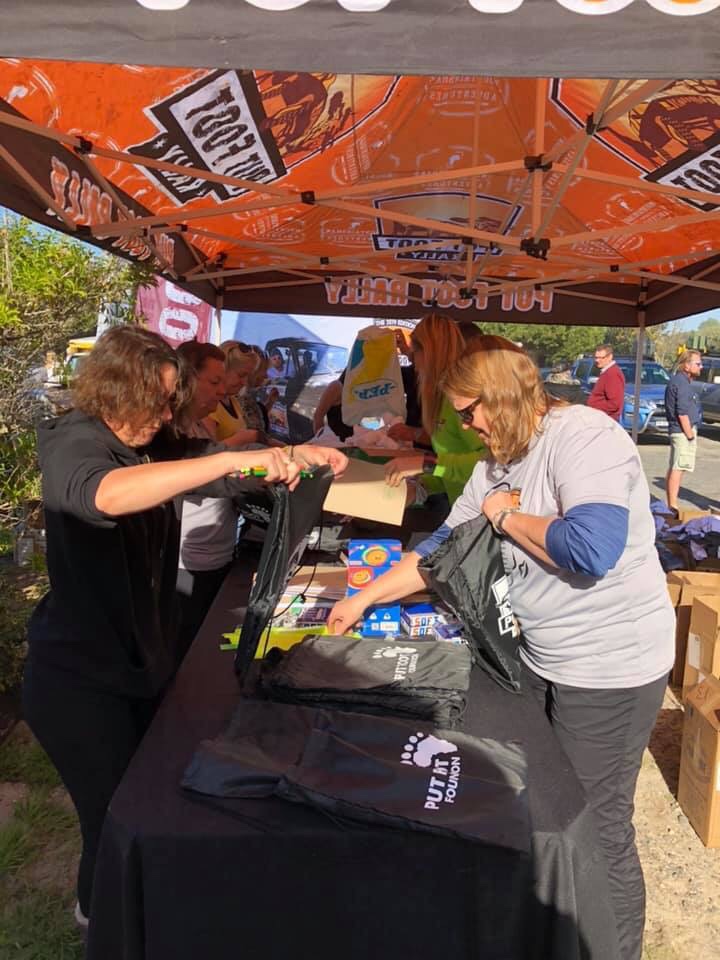
A colourful atmosphere at camp. Registration stalls handle the participants briskly. Cars, jeeps and vans of different models, vintage, colours and decorations. People from different countries in their crew uniforms exchange news and views. Veterans greet each other as long lost friends. First timers are eager to get expert views. With rally stickers on, the people and the vehicles stand christened.

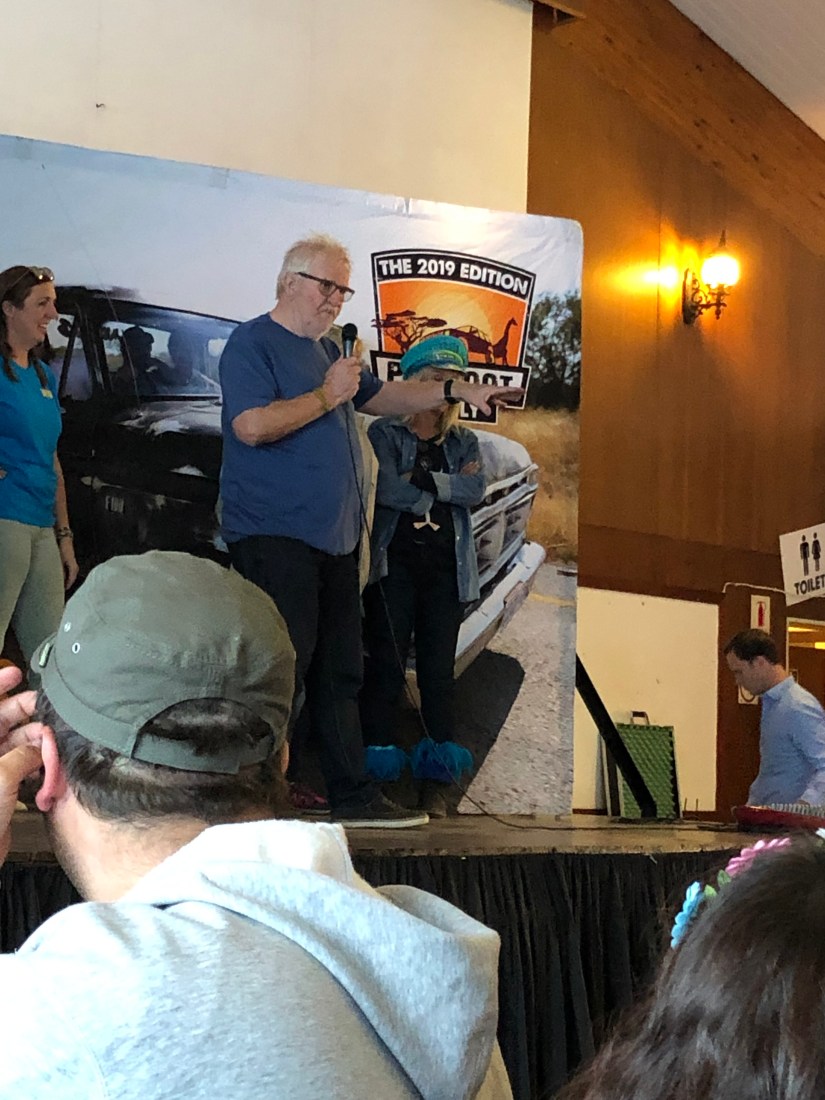
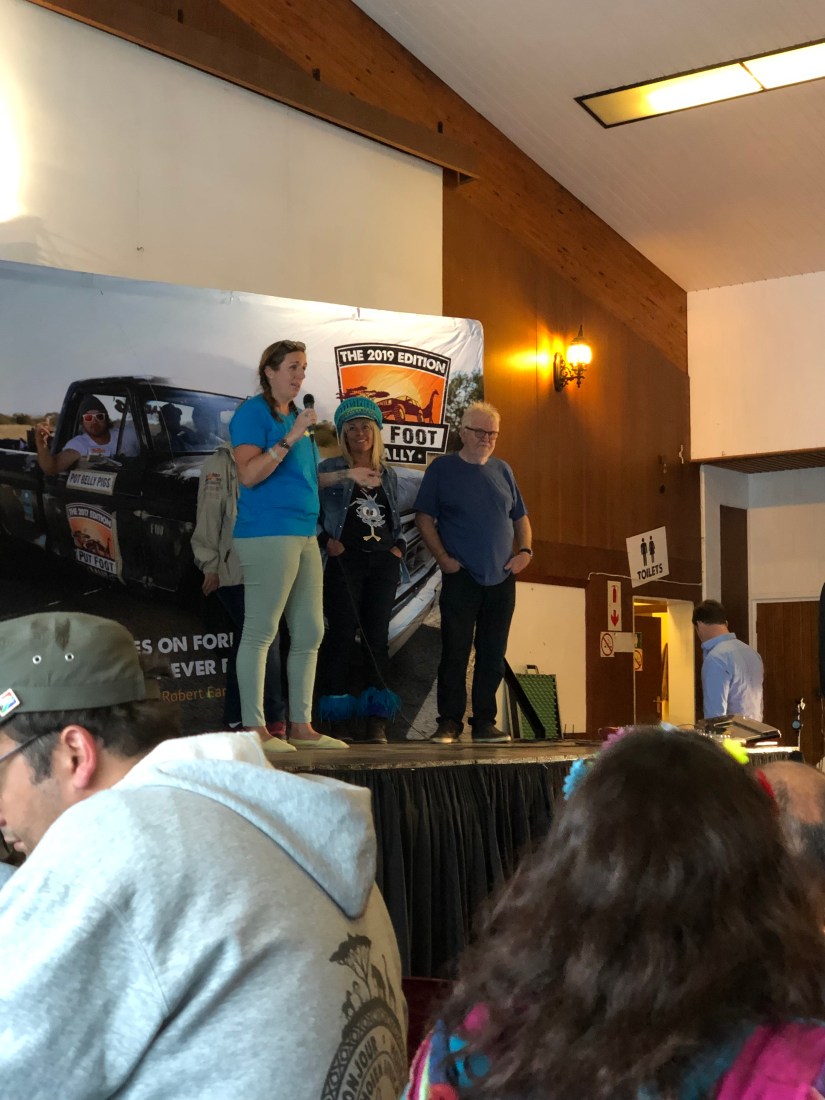
Time for the briefing. The unofficial board of veterans is on stage with Nick, Gordon and Jenny describe different aspects of this stupendous migration of men (and women) and machine through the southern countries of the continent. And then the founder, Darryn, is invited on stage to declare the Put Foot Rally 2019 open. He does with his usual aplomb and self-deprecating humour. Make no mistake: this former special forces man is tough as nuts. There a few who have crossed him and he can be nasty if any act of omission or commission brings disrepute to the Put Foot family.

Dinner, a few tots of Jamieson at the bar, some music and it is time to sleep. Early start and long drive, for most, to the Namibian Border leaves no allowance for late partying. The theme of Put Foot Rally is

‘The Road Goes On

‘And the Party Never Ends

Between Two Oceans The Hope is not always False

Probably the most famous sons of Cape Town, Dr Christian Bernard practiced as the Hand of God at the Groot Schuur Hospital. However, has his name is immortalised not just in some hearts but in stone at a Memorial Medical Centre named after him. The Groot Schuur could not be renamed, even for him, but a new hospital was. To get there (not that we did), you go past the various contributions of another of its famous inhabitants, Sir Cecil Rhodes – the Cape Town University, the Botanical Gardens and, of course, the Grecian structure that the Rhodes Memorial is. There are no visitors to this lonely site set on the hillside intended to mark the passing of a man of his time – a visionary, an empire builder, an entrepreneur, a king of commerce. It may not be too far in the future that this lovely piece of architecture- symbol of a bygone, but unmythic, age – may well be erased from visibility, though never from contemporary history.

Having heard of the medical facilities in this city, we went to see the Cape Town Mediclinc. The reception space is not dissimilar to that of a merchant banking establishment. Unlike back home, there are very few people seated in the visitors’ chairs. Either Capetonians are, contrary to international standards, robustly healthy or the familial relationships do not extend to accompanying patients to hospitals or we chose an inappropriate hospital. That will have to be ascertained on another visit.

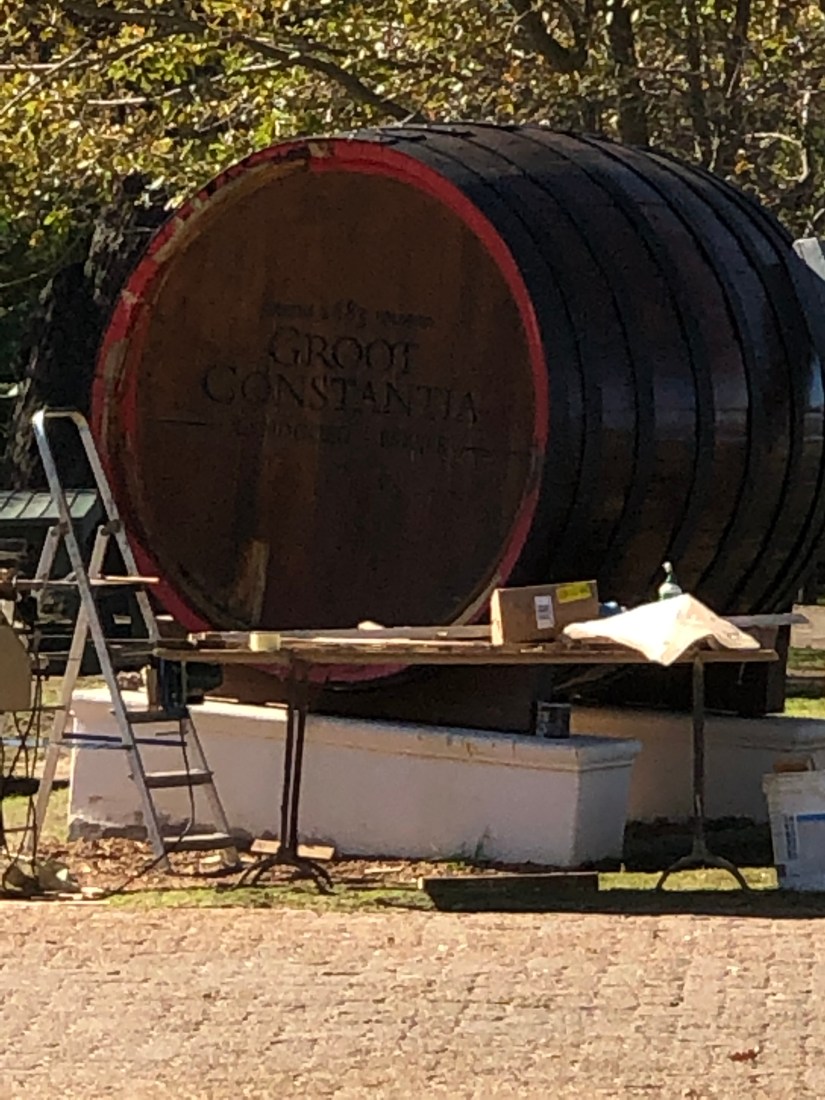
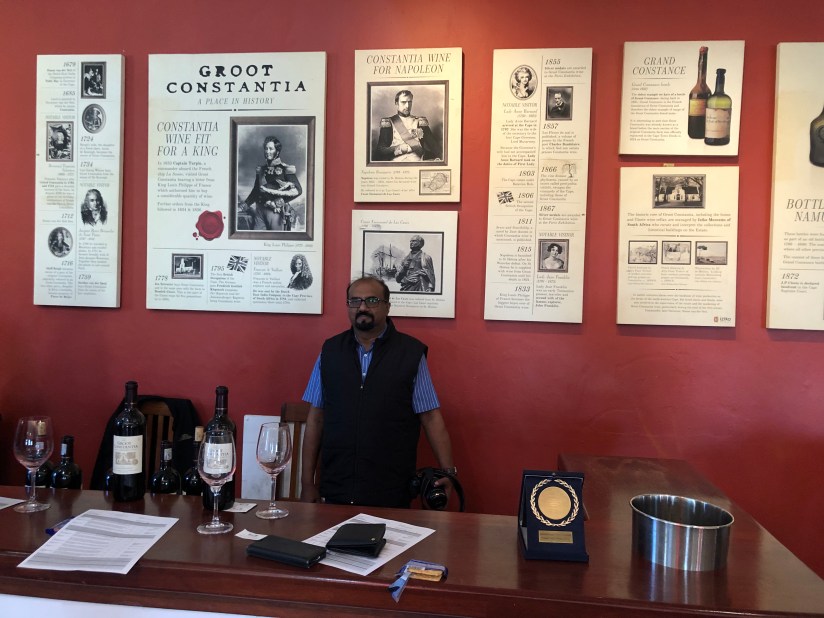
South African wines are now known all over the world. Groot Constantia, the oldest is worth a visit. On the land granted to Simon van der Stel, the Dutch Governor, by Hendrik van Rheede, of Hortus Malabaricus fame and one time Governor of Dutch Cochin, in his capacity as visiting Inspector on behalf of the Council of Seventeen of the VOC in 1685 for cultivation of grapes, was established this monument to vinification, one of the oldest of the human arts, in 1993 with the Government, which purchased the estate in 1885 to set up an experimental centre, handing over the administration to a Trust.

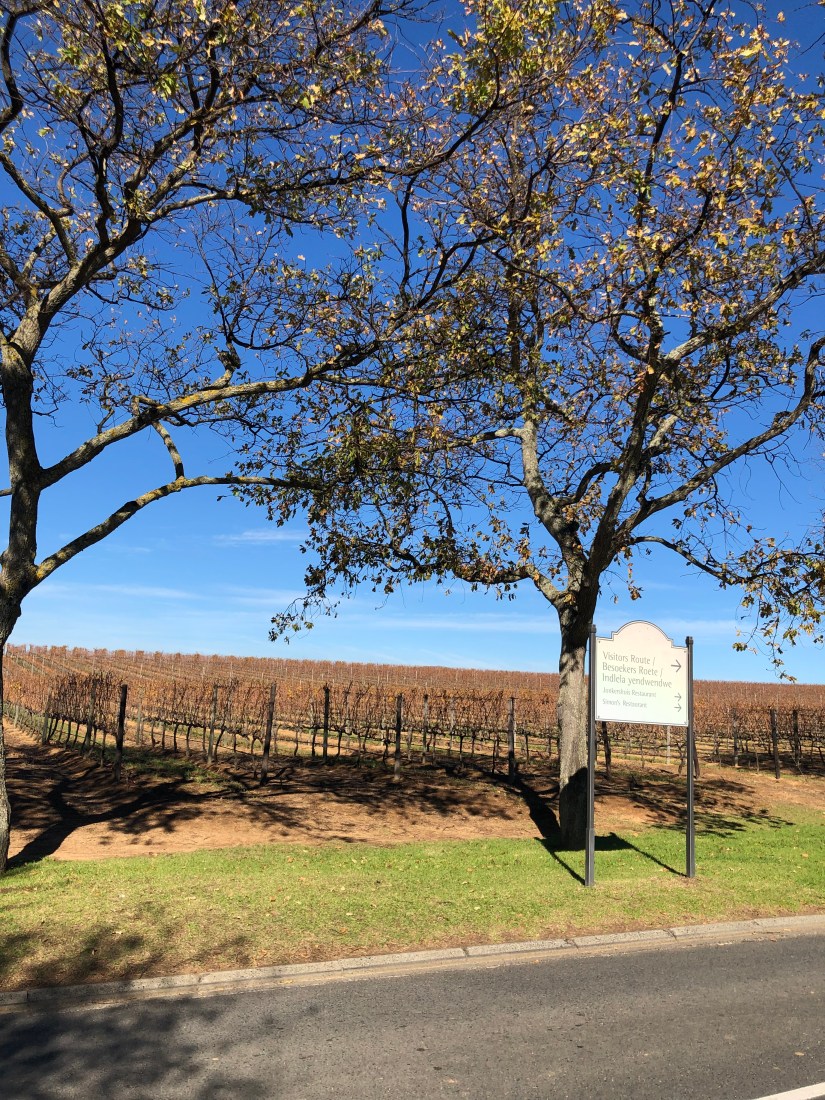
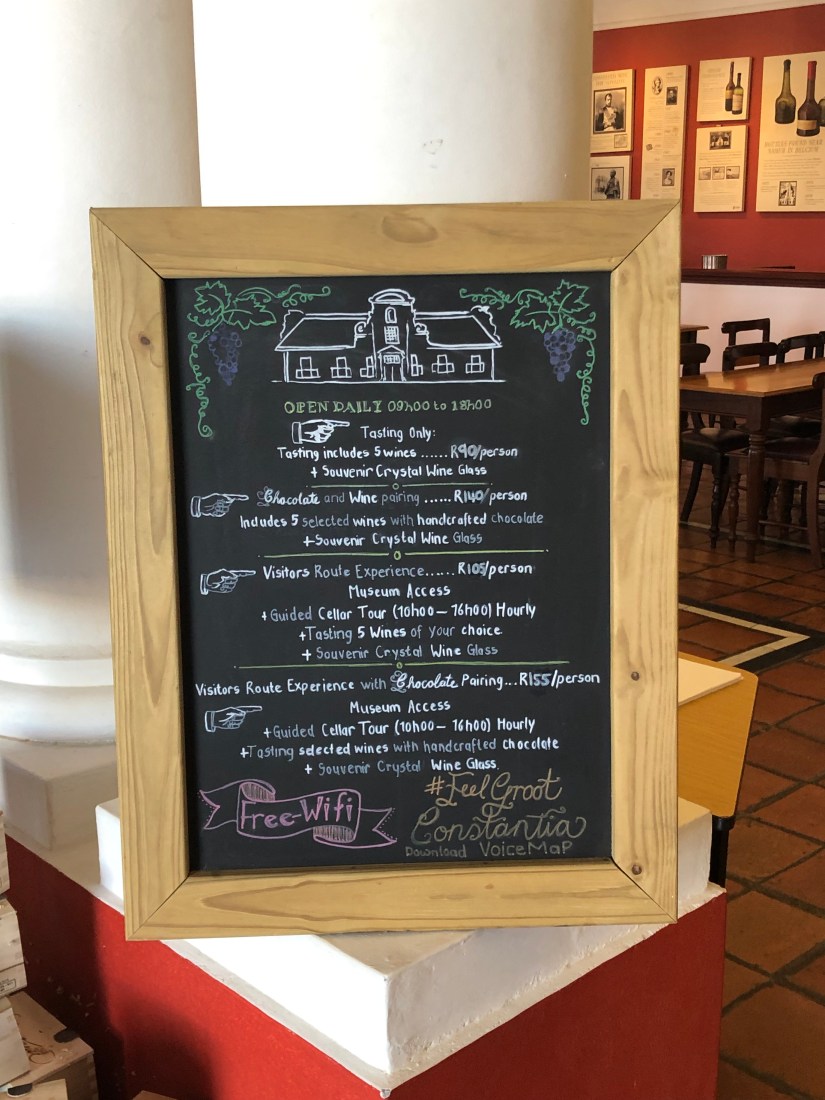
A drive through this well laid out estate is so very pleasing to the eye. We find white and red flowers on plants that border sections and it serves not only as a botanical decoration but as a lure for pests. That is Simon’s input. At the tasting centre for 90ZAR we are given a stemmed glass to keep as a memorabilia and an option to imbibe not ungenerous quantities of five of the listed wines. Rayno, Grever, the wine consultant, shares his proficiency on the history, the variety and the appropriateness of the wines with us as we make our selection of Sauvignon Blanc, Constantia Rood, Merlot, Cabernet Sauvignon and Shiraz. Thank you, Rayno for making our day.
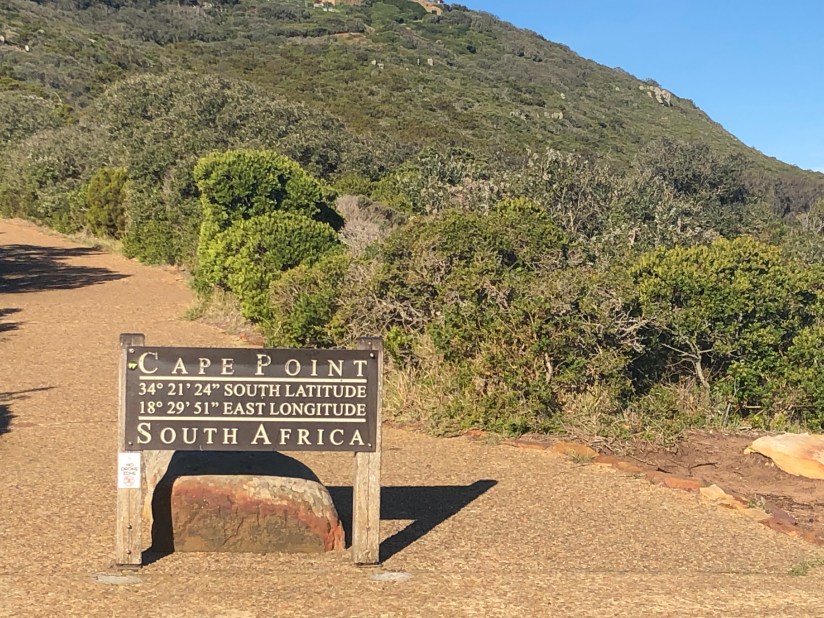
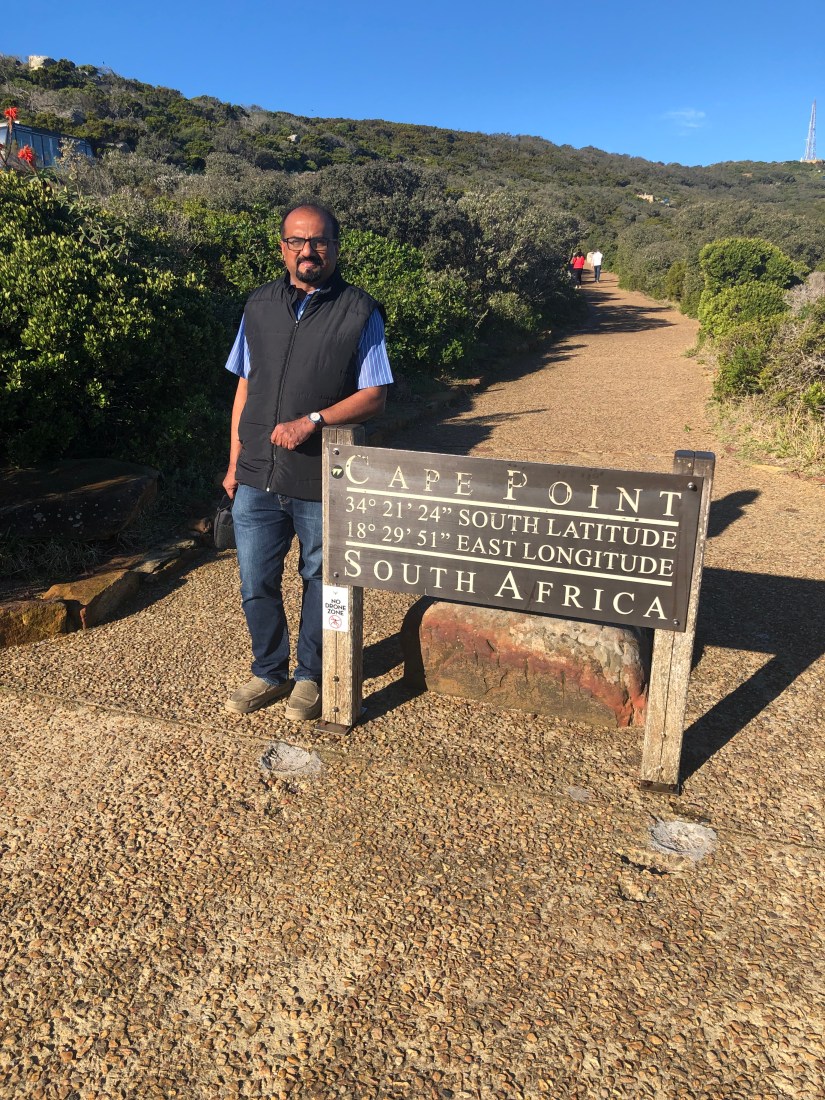
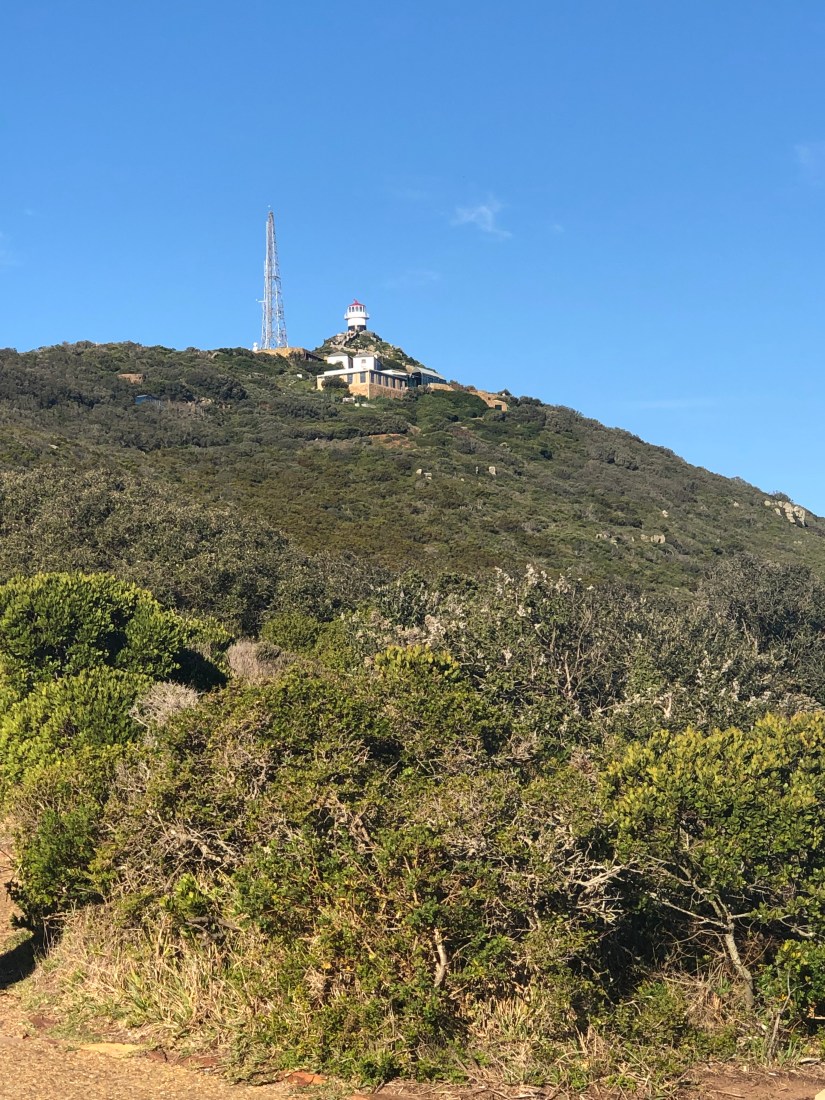
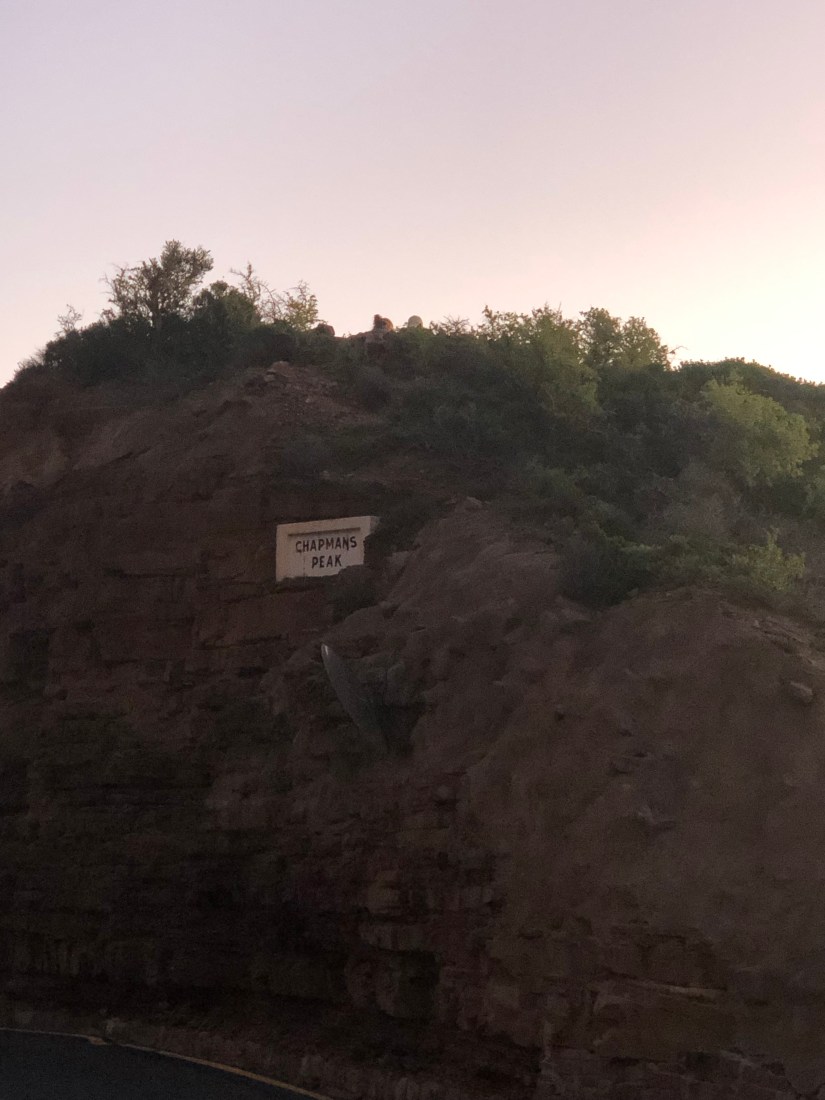
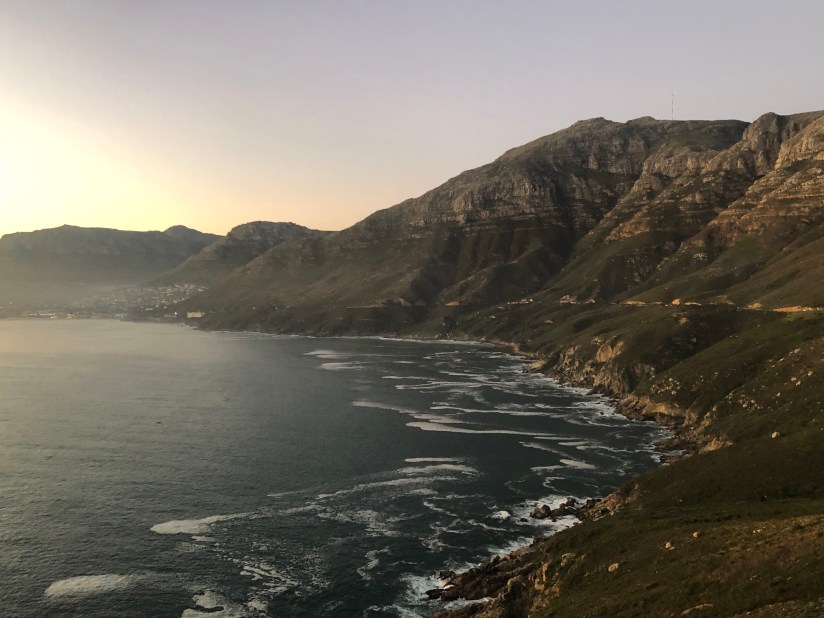
Where else can we wind up this short stay at the tip of Africa except at the Cape of Good Hope. This is not, as generally believed, the southernmost point of the continent that was rounded by the mariners to the Indies which is further off at Cape Agulhas about 100 kilometres further on. It is only a popular myth that two oceans meet at Good Hope. Called the Cape of Storms by its discoverer, Bartolomeu Dias and False Bay by traversing returnees from the East who often confused it for Table Bay that is close by, this wild, windy heritage site is a picnic ground for locals and a must see for visitors. At the very summit stands the Cape Point lighthouse and gives us a wonderful view of the suburban ring of water. On the outside, the stalls of curio peddlers attracts Sebastian’s eye and gets his first bargain trophy to carry back home. Back through Chapmans Peak, a drive that takes us all the way by the ocean, we are returned to base at Casa Papi for an early night and with much anticipation of the morrow. Au revoir, Simon, with fond farewells.

Between Two Oceans The Spirit of the Cape

The Spirit of the Cape


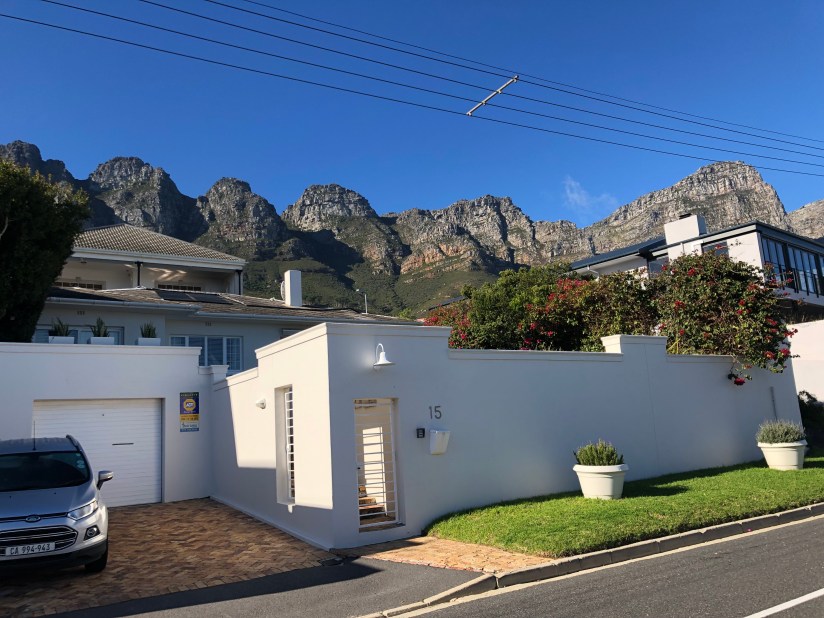
When you wake up with the sight of the Twelve Apostles lit up by the dawning rays, you know, with unquestioned certainty, that you are at the southern tip of the African continent. One of the literally outstanding features of the city is this sight that must have aroused wonder among the mariners who passed this way to the Indies and beyond. Adjoining, and perpendicular to, the iconic Table Mountain are these buttresses that literally oversee the Mother City, the capital of Cape Colony established by Cecil Rhodes and the colonisers who came to stay and not to just rule. Kaspstad, to the Dutch. Our temporary residence at Casa Papi, on the Bakoven stretch, like all houses in Camps Bay and other upscale zones of the city, is well designed and well appointed. Our hostess Ella, whose parentage is Italian and of Florida, works for Sotheby International. She welcomed on arrival with such warmth yesterday that we took to her immediately. As she took us on the familiarisation round of the accommodation, amenities and, not to be missed, the patio with jacuzzi and outdoor cooking equipment, we took to the house too. She lives next door but we are left to our devices and privacy for the next three days that we are here. Sebastian, on his first visit to Cape Town, finds this guest house at this scenic location to be amazing.

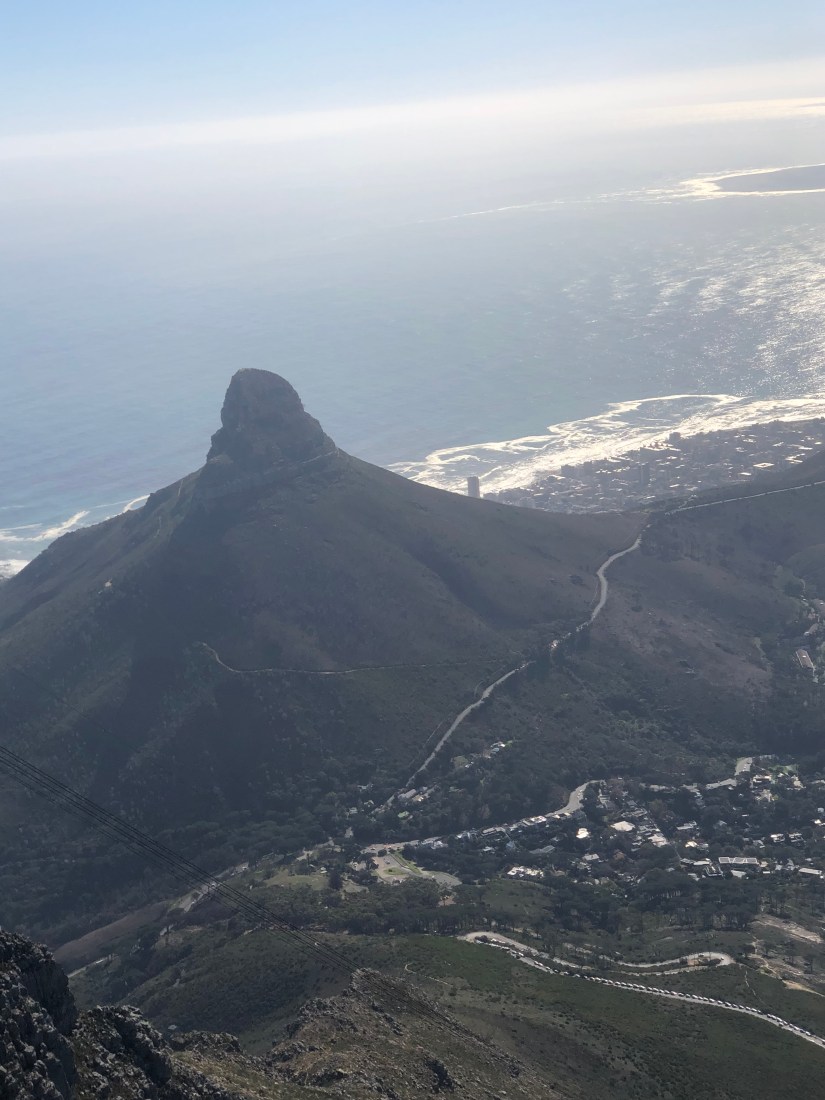
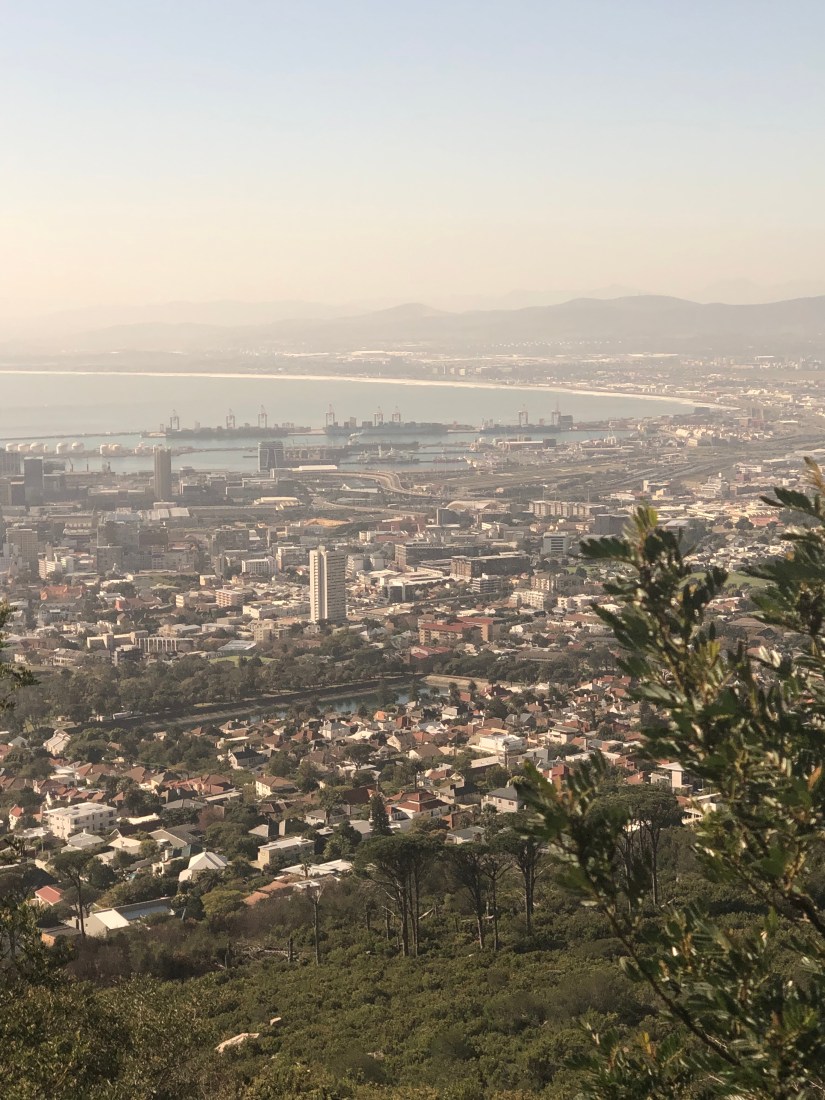
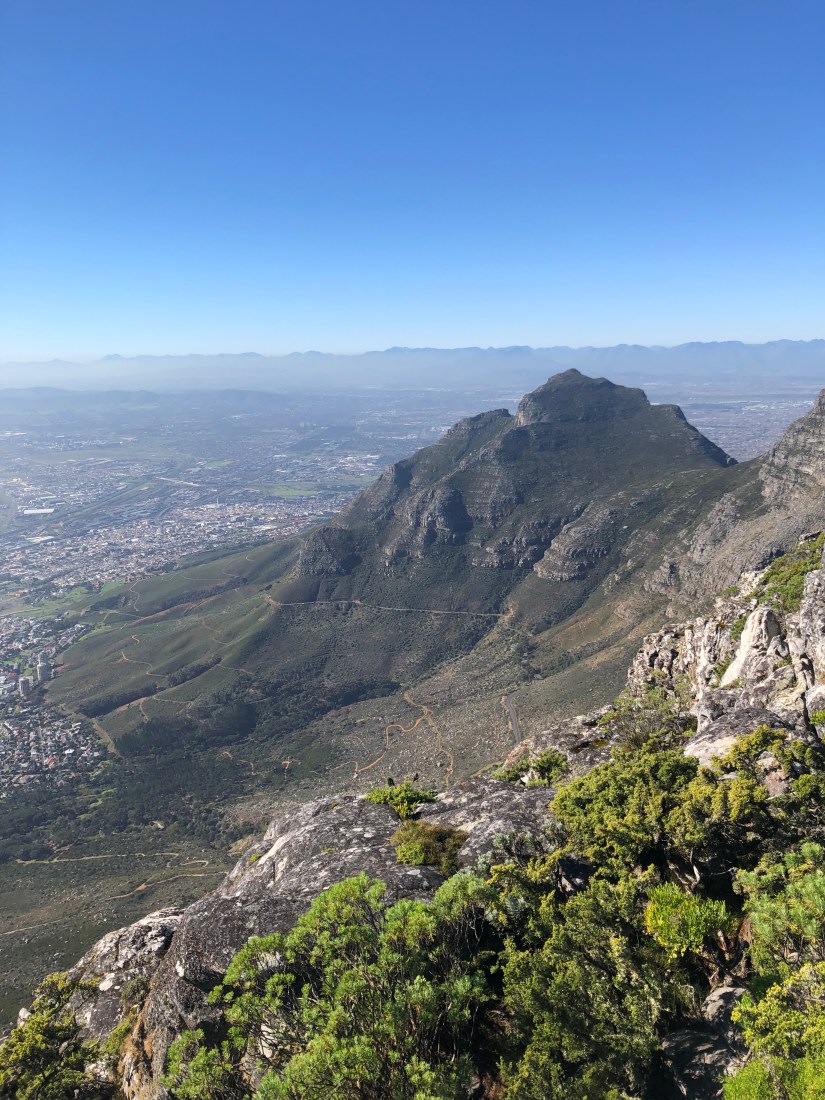
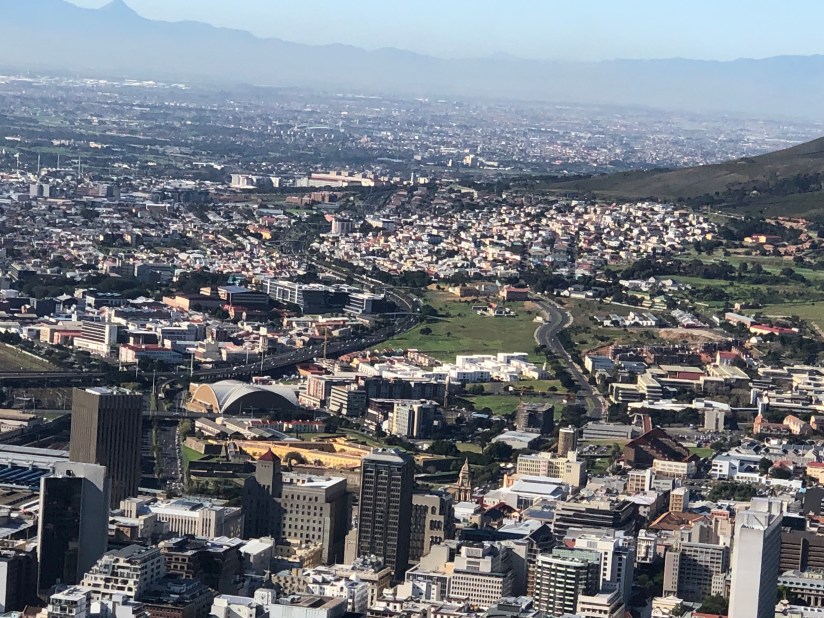
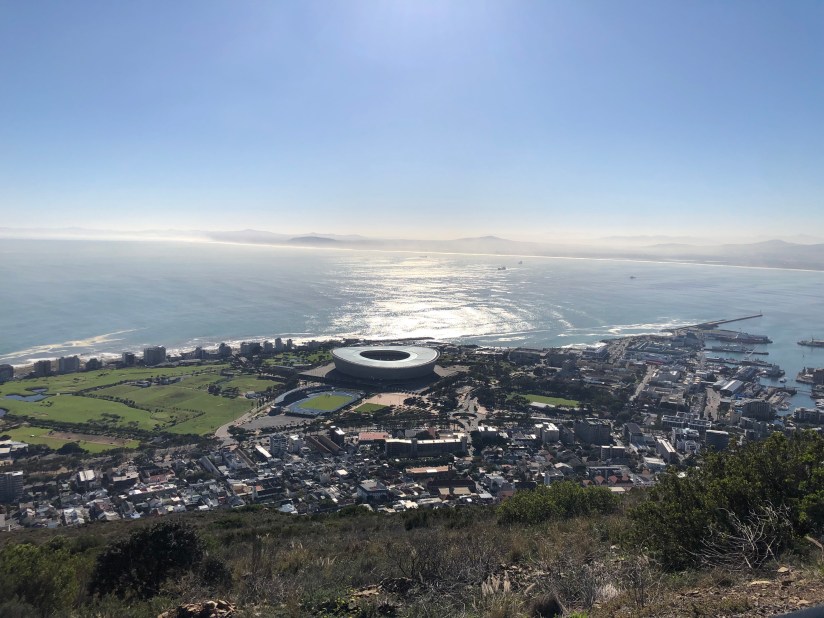
A must see is Table Mountain but capricious nature takes the final call on being allowed to. Last year, we were denied that opportunity to stand on the highest point of headland and turn our face into the distance towards the watery wastes and the next, though invisible, landfall- if you can call it that – Antarctica. The sight that signalled human companionship to so many sailors on their lonely voyage down the African coast of the treacherous Atlantic Ocean was not lost to us this year. An unusually glorious sunny day with very hardly any wind greeted us and Simon, our local charioteer, insisted that we do the right thing by the blessing. The legendary ‘table cloth’ was out with the rest of the laundry. Captain Van der Decken, master of The Flying Dutchman, would not have had cause to curse. Signal Hill, the spot from which Naval canons did, at one time, announce the meridian sun for the residents and sound the twenty one gun salute to honoured visitors, was observable from the car as it turned on its itself en route to the flat of the plateau. Lion’s Kopp (or Head), on the left, and Devils Peak, on the right, stand as accolytes in a continuum with The Twelve Apostles as you face Table Bay with its historic harbour and the contemporary styles of the City. Far in the distance, though not visible through the haze and spray, is Robben Island made famous by its most famous inhabitant ever – Madiba of our lifetimes – Nelson Mandela. Simon, the motoring encyclopaedia, tells us that this mountain, standing 1085 metres in its birthday booties, is visible to ships as far away as 150 kms away. Signal Hill, at 350 metres, is the highest motorable point to the high guardians of the city. Together, these elevations comprise the Table Mountain National Park, home to dassies and many endangered species of the Cape Floristic Region, one of the six such in the world.
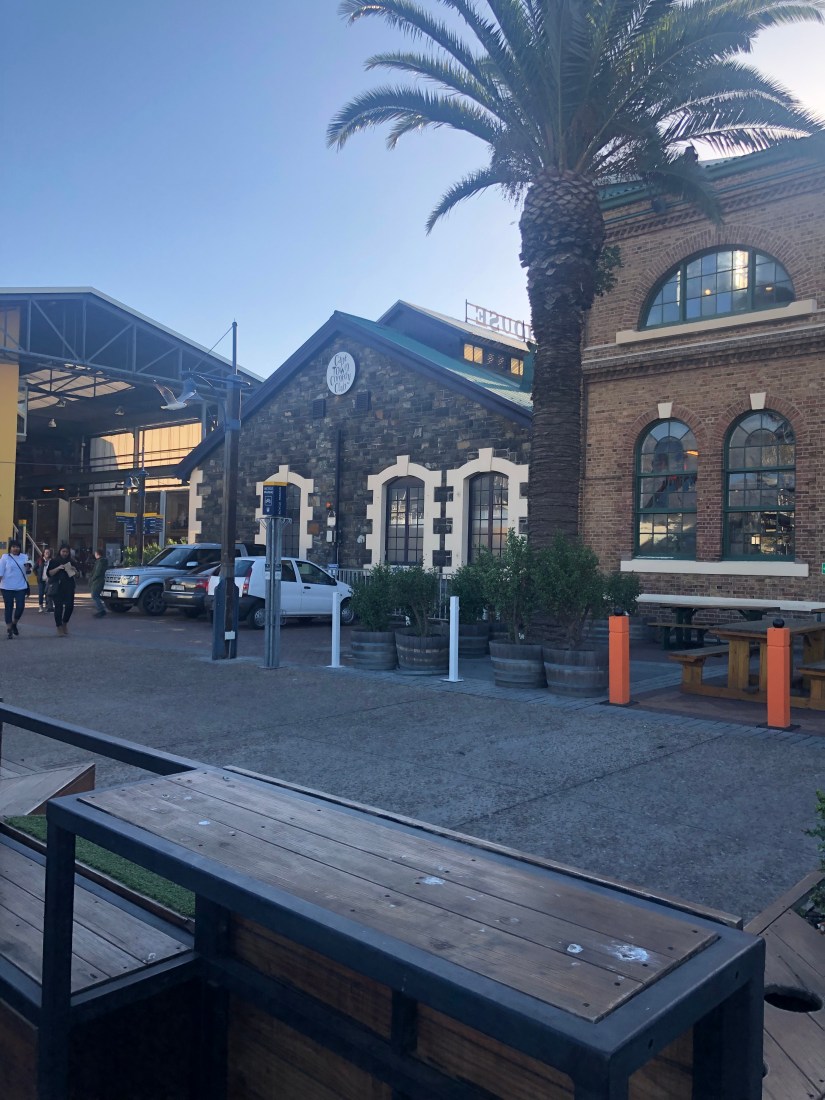
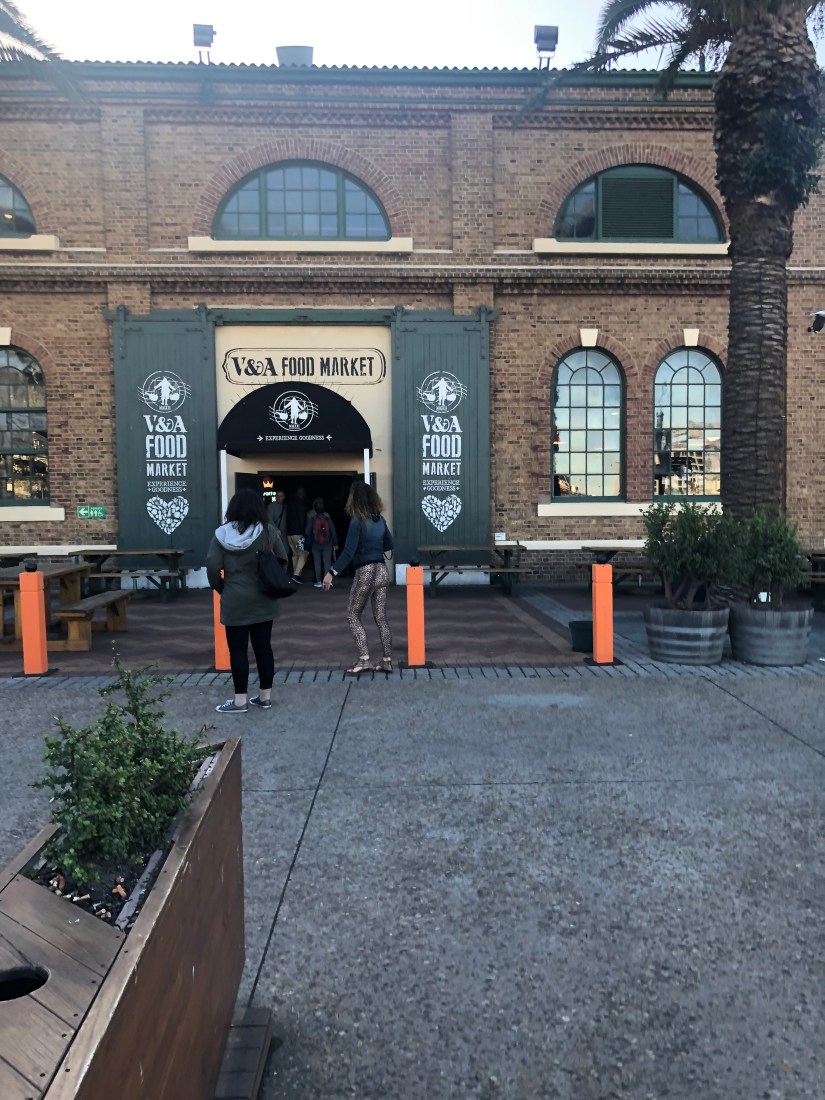
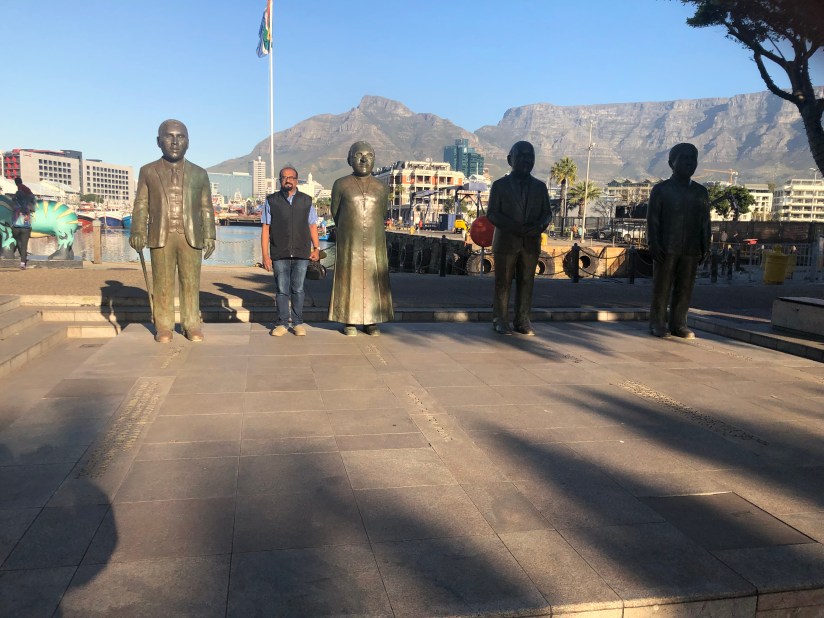
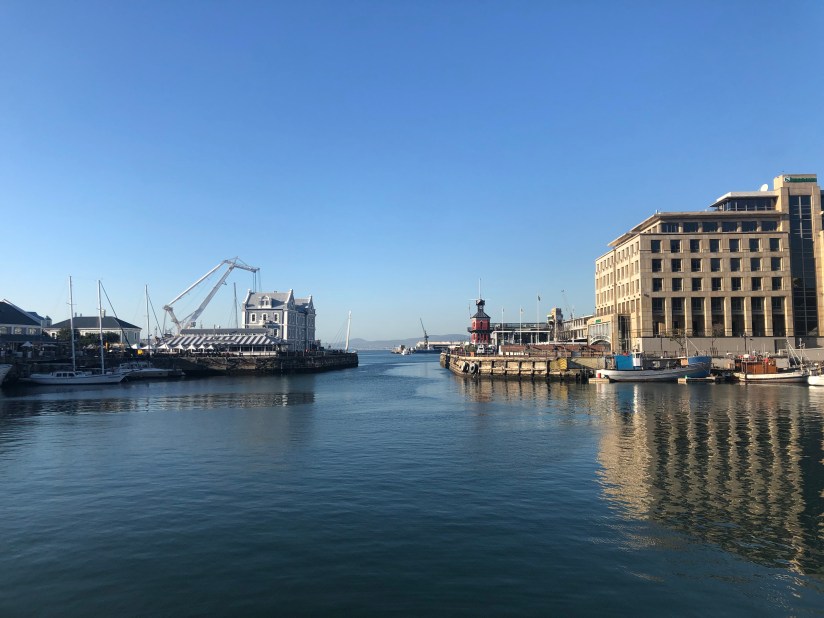
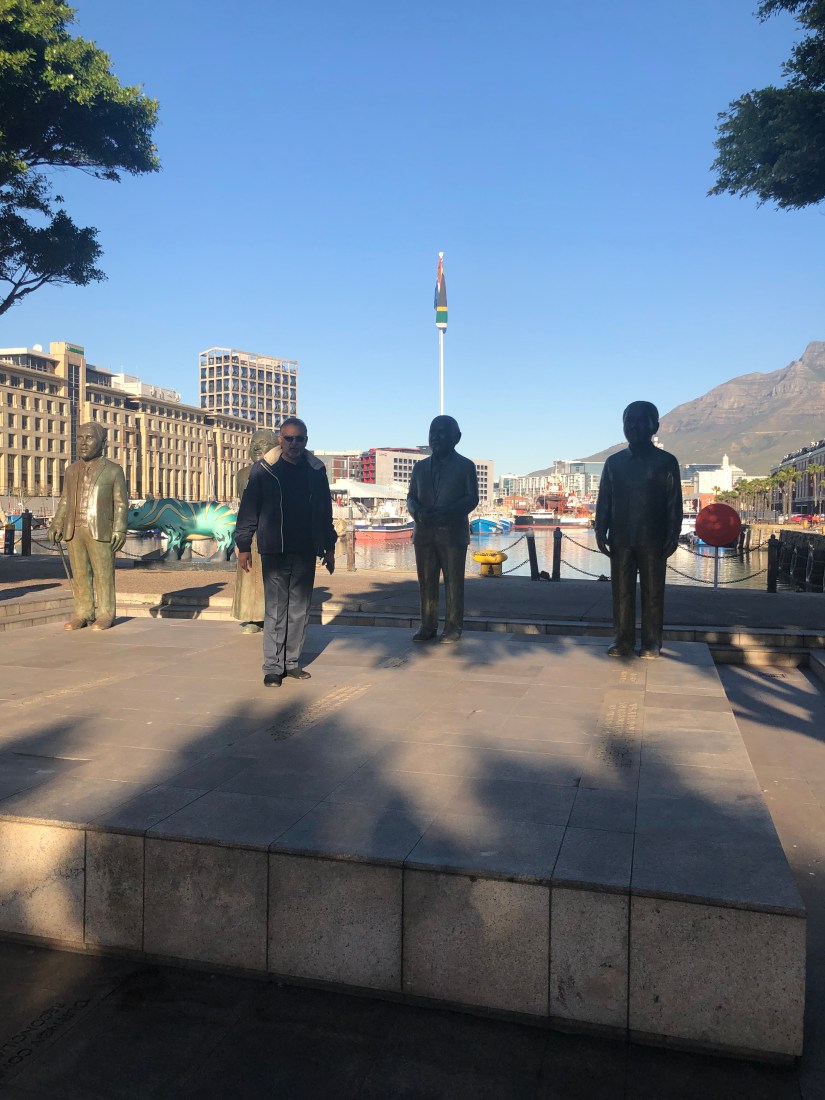
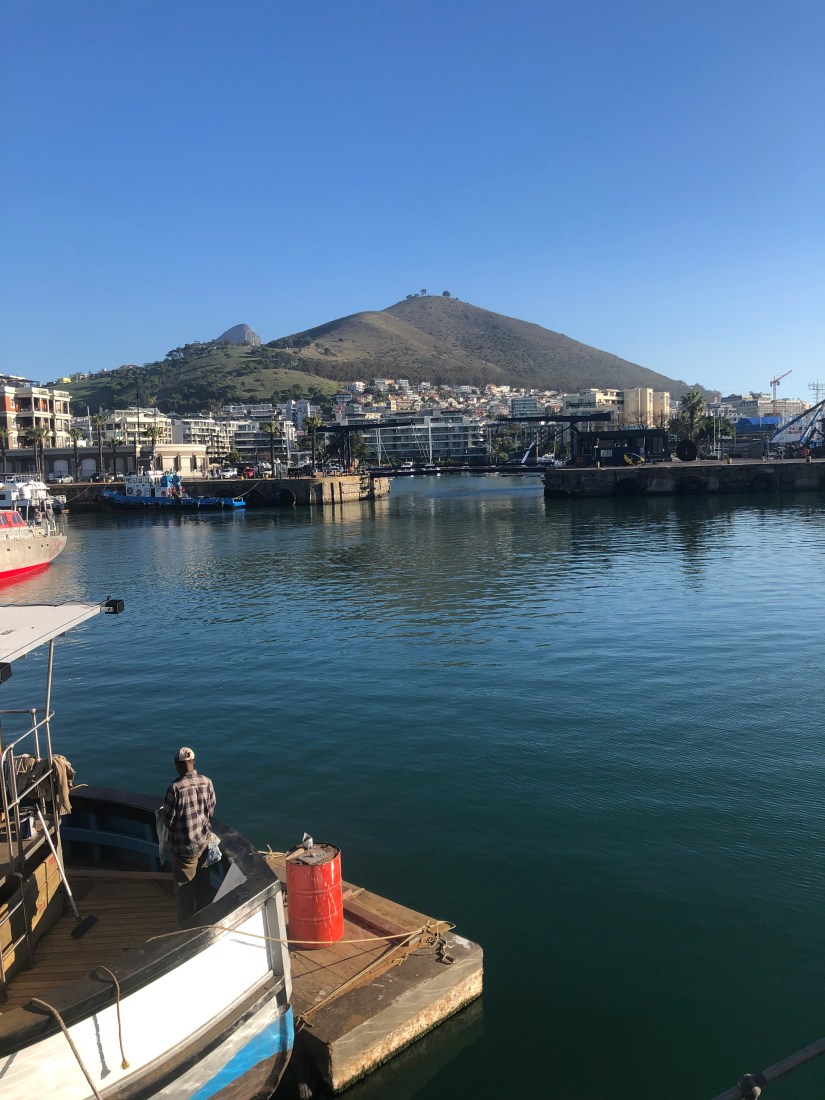
Then to the city centre with its V&A Waterfront. Like in all colonial outposts, the V is easily guessed as Victoria, the Queen though the A is not the usual Albert, the Prince Consort, but Alfred, the second son and first Royal to visit the headland as a midshipman on board HMS Euryalus in 1860. A working harbour, though used by small vessels and as a dry dock, it is reminiscent, to Indians, of Kidderpore. Today, the Waterfront is a busy commercial centre located on one of the most expensive real estates in the continent. Hotels, shopping arcades, foodhouses and entertainment hold in thrall the 25 million visitors. Most remarkable are the live performances by bands in aid of contributions for various social causes. Indeed, it is the stage for so many of them. Barks invite your attention to an adoption fest for abandoned dogs. One of the elevated platforms has, as a backdrop, the statues of the four Nobel Peace Prize winners of the country – Albert Luthuli, Bishop Desmond Tutu, FW DeKlerk and Nelson Mandela. It is a tribute to the one who though not awarded was no less deserving -Mahatma Gandhi – for their struggle for independence and dignity was inspired by non-violence and peaceful transition. It also my fleeting brush with fame as I posed amidst them for the mandatory shoot.

The Robben Island visit is flagged for another year. We dined on seafood harvested from the Atlantic at Codfather in Camps Buy but regrettably missed the daughter of the founder, Lola, who is always warm and hospitable.And this meal was accompanied, on the recommendation of our amateur oenophile, Sebastian, by a Chardonnay. A fitting finale to a day replete with mingling with the spirit of ages gone by.